In early November 2026, more than 30 dead birds were found at Lake Tye Park in Monroe, Washington. On November 9, the Washington Department of Fish and Wildlife (WDFW) confirmed the cause was bird flu — avian influenza, the H5N1 virus that has been moving through wild bird populations across North America. The guidance that followed from local officials was simple and specific: keep cats indoors, and keep dogs leashed and away from dead birds and droppings.
If you live anywhere near a lake, a marsh, or a backyard that wild birds love, this story is not just a Washington story. Die-offs like this happen wherever migratory birds gather, and the same precautions apply in every state. Cats are unusually vulnerable to H5N1 — infections in cats are often severe and frequently fatal — and outdoor cats are the ones most likely to meet the virus face to face, by hunting a sick bird or nosing around a dead one. Here’s what to do when bird flu shows up in your area, and what to watch for if you think your cat was exposed.

Key Takeaways
- Dead wild birds are a local alarm bell: When a die-off is confirmed as bird flu — as at Lake Tye Park in Monroe, WA, on Nov 9, 2026 — keep cats indoors until officials say otherwise.
- Don’t touch dead birds with bare hands: Leave them alone, keep pets away, and report the die-off to your state wildlife agency.
- Leash, catio, or inside: Outdoor access during an outbreak should mean supervised time only — a leash or an enclosed catio, away from birds and droppings.
- Know the cat symptoms: Fever, lethargy, eye or nose discharge, breathing trouble, tremors, or seizures after possible exposure mean call your vet before you go in.
- Your kitchen staples are fine: Pasteurized milk and properly cooked poultry are not the risk — raw milk and raw meat are.
Why Outdoor Cats Are at the Center of This
H5N1 spreads among wild birds, and sick birds behave like easy prey: slow, disoriented, grounded. To a hunting cat, that’s not a warning sign — it’s an invitation. Cats can be infected by eating an infected bird, and likely by close contact with carcasses, droppings, and contaminated surfaces around a die-off site. The FDA’s H5N1 in cats page notes that cats are particularly susceptible to severe illness from this virus, with disease that often involves the nervous system and is frequently fatal.
Dogs appear to be at lower risk than cats, but “lower” is not “none,” and the Monroe guidance included dogs for a reason: a leashed dog can be steered around a carcass; an off-leash dog will roll in it. The droppings matter too — virus shed in bird feces can contaminate the ground, puddles, and the soles of your shoes.
One more habit ties the whole response together: know your local status before you need it. State wildlife agencies post bird flu confirmations, affected counties, and current recommendations on their websites and social feeds, and local news picks up die-off reports quickly — the Monroe confirmation reached pet owners precisely because WDFW announced it. During migration seasons, when die-offs are most common, a thirty-second check of your wildlife agency’s page once a week tells you whether this is a normal month or a keep-the-cat-in month. Guessing is how cats end up hunting through an active outbreak site that everyone else already knew about.
The Local-Action Checklist When Dead Birds Are Found
1. Keep your cat inside
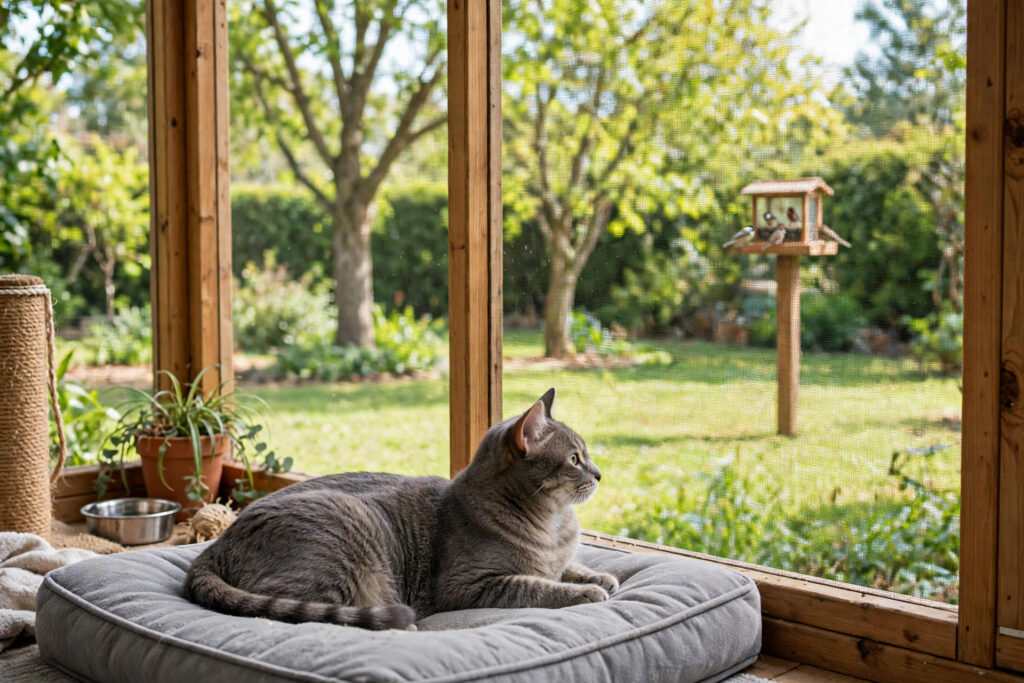
This is the headline instruction from wildlife and health officials, and it’s the single most effective step. A cat that stays in cannot hunt a sick goose. If your cat is door-darting and miserable, supervised outdoor time on a harness and leash, or time in an enclosed catio, keeps the ritual without the exposure — as long as you’re steering clear of areas where birds congregate and droppings accumulate.
2. Do not handle dead birds with bare hands
Don’t pick up a dead bird to “help” or to clear your yard with your bare hands. If a carcass absolutely has to be moved — say, it’s in your dog’s run — use gloves or an inverted plastic bag, double-bag it, wash your hands thoroughly afterward, and follow your state wildlife agency’s current instructions, since disposal guidance varies. Honestly, the better default is to leave it and call first.
3. Report the die-off
State wildlife agencies track bird flu through public reports. In Washington, that’s WDFW; every state has an equivalent agency with an online reporting form or hotline for dead wildlife. A cluster of dead birds — several birds in one place, or any dead raptor, goose, or swan — is exactly what they want to hear about. Your report is how confirmations like the November 9 Monroe announcement happen, and those announcements are what trigger the warnings that protect everyone else’s pets.
4. Rethink feeders and bird baths for now
Feeders concentrate birds — and droppings — in the exact spot your cat likes to stalk. Follow your state agency’s current guidance: during a confirmed local outbreak, many agencies advise taking feeders and baths down temporarily, or at minimum cleaning them regularly with a disinfectant while wearing gloves, and placing them where cats can’t ambush. Clean up spilled seed and droppings beneath feeding stations, and keep pet food and water bowls inside, not on the porch where wild birds can contaminate them.
5. Mind the shoes and the dog
Walking the shoreline where birds died? Keep your dog leashed and out of the water and muck, rinse muddy paws, and leave your shoes at the door. It’s a small thing, but virus tracked across your kitchen floor is a route straight to an indoor cat’s world.
Signs of Bird Flu in Cats: Call the Vet First
If your cat had access to dead or sick birds — or to raw milk or raw meat — and then seems off, treat it seriously and treat it fast. Signs reported in cats with H5N1 include:
- Fever and pronounced lethargy — a cat that hides and won’t engage
- Loss of appetite
- Discharge from the eyes or nose, red or inflamed eyes
- Breathing trouble — fast, labored, or open-mouth breathing
- Neurological signs: tremors, wobbliness, circling, or seizures
Here’s the part owners miss: call the clinic before you walk in. The CDC’s guidance on bird flu and pets and veterinary infection-control practice both point the same way — if a clinic knows a possible H5N1 case is coming, staff can prepare an isolation area, mask up, and route you through a separate entrance. That protects the other patients in the waiting room and the people caring for them. Describe the exposure honestly: “my cat brought home a dead bird on Tuesday and today she’s trembling” is exactly the information your vet needs. A sick cat is always worth the call, but a sick cat with a bird-flu exposure history changes how the visit should be handled. If your regular clinic is closed, an emergency veterinary hospital can take the same precautions — call from the parking lot if you have to.
And a note for your own health: people can be infected with H5N1 too, though human cases linked to cats have been rare. If you’ve handled a sick cat or dead birds and develop fever, cough, or eye redness, contact your doctor or local health department and mention the exposure. The ASPCA’s pet care resources are a reasonable starting point for general questions, but your state health and wildlife agencies will have the current local picture.
What Is NOT the Risk
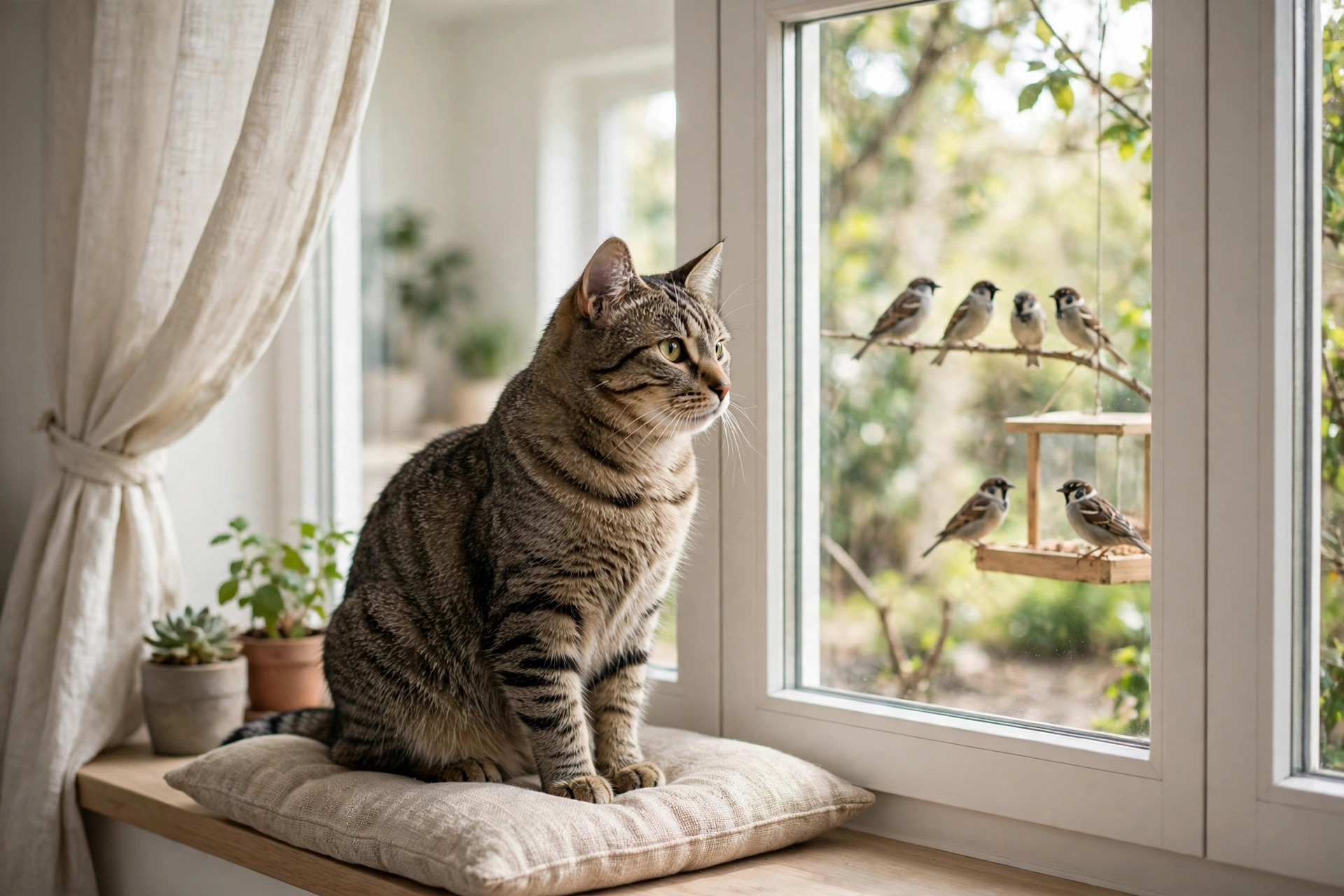
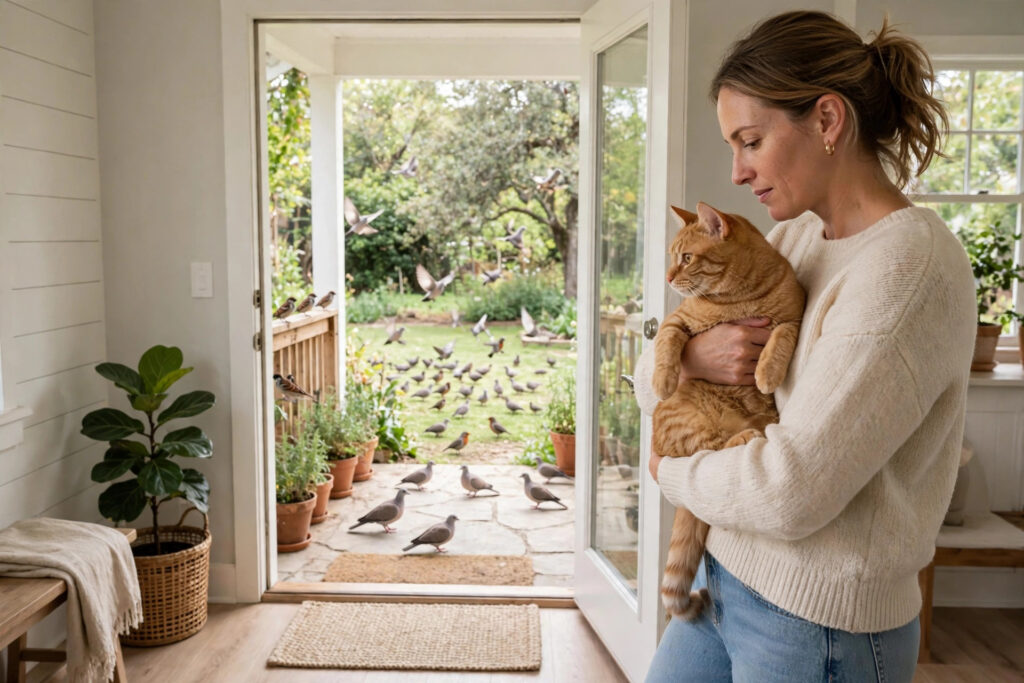
Perspective helps, because “bird flu” headlines can make everything avian feel dangerous. Pasteurized milk is not a bird flu risk — pasteurization kills the virus, and the warnings about milk concern raw, unpasteurized milk only. Properly cooked poultry on your plate is not a risk to you or your cat; sharing a bit of plain cooked chicken with your cat is a different universe from feeding raw meat. Your indoor cat who watches birds through glass is living the safe version of the hobby. The risk lives in a specific triangle: wild bird die-offs, raw animal products, and cats allowed to roam and hunt through both.
Frequently Asked Questions
How long should I keep my cat indoors after a bird flu die-off nearby?
Follow your state wildlife agency’s updates — they announce confirmations and, in time, all-clears. As a practical rule, keep cats in while dead birds are still being found locally and until officials indicate the event has passed. If no local guidance exists, a few weeks of indoor life after the last reported die-off in your area is a cautious, sensible window.
My cat caught a bird yesterday and seems fine. What should I do?
Keep her inside and watch her closely for the next several days for fever, lethargy, appetite loss, discharge, breathing changes, or anything neurological. Call your vet, tell them about the catch, and ask whether they want to see her now or monitor at home. Don’t wait for dramatic symptoms if anything seems off — and from here on, indoor or supervised-only outdoor time.
Can my dog get bird flu?
Dogs appear less susceptible than cats, but infections are possible, which is why the Monroe guidance included leashing dogs away from dead birds and droppings. Keep dogs out of die-off areas, don’t let them retrieve or mouth dead birds, and call your vet if a dog that had contact becomes ill.
Should I take my bird feeders down?
Check your state wildlife agency’s current advice — it varies by outbreak. During confirmed local die-offs, temporarily removing feeders and baths is commonly recommended because they concentrate birds and droppings where cats hunt. If feeders stay up, clean them regularly with gloves, clear droppings and old seed, and keep cats away from the area underneath.
Is it safe to touch my cat if she was outside near dead birds?
Normal contact with a healthy-looking cat is low risk, but wash your hands after handling a cat that may have rolled in or mouthed a carcass, and don’t let her on your pillow until she’s been indoors and cleaned up. If she develops any symptoms, minimize close contact, call your vet first, and mention the exposure when you call your own doctor if you get sick.
Can indoor cats get bird flu?
Yes — through food, not air. The documented indoor routes are raw pet food and unpasteurized milk. An indoor cat fed cooked food and pasteurized products, in a home where shoes come off at the door during a local die-off, has a very small risk.
The Short Version
When wildlife officials confirm bird flu in dead wild birds — like the 30-plus birds at Lake Tye Park this November — the playbook for cat owners is short: cats in, dogs leashed, hands off carcasses, die-offs reported, feeders handled per local guidance. And if a cat with any possible exposure gets sick, phone the vet before you carry her through the waiting room door. A few weeks of window-watching is a cheap price for keeping your cat out of this virus’s path.