If your dog or cat takes a compounded medication — a liquid mixed to order, a flavored paste, a custom-strength drop — there’s a recall you need to check this week. On October 21, 2026, Wedgewood Pharmacy recalled roughly 4,000 compounded pet medications shipped nationwide between February 18 and October 6, 2026, because the potency of the medicine in some bottles may be too high or too low. The recall is still active in late November, and the only way to know whether your pet’s bottle is affected is to read the lot number on the label and check it.
This is not a “throw it away and move on” situation, and it’s also not a panic situation. Some of these medications treat conditions where stopping suddenly, or quietly giving a weaker dose for weeks, carries its own risks. The right response is methodical: find the lot number, make one phone call, keep the bottle, and talk to your veterinarian before you change a single dose. Here’s the whole process, step by step.
Key Takeaways
- What’s recalled: About 4,000 Wedgewood Pharmacy compounded pet medications shipped nationwide from February 18 to October 6, 2026, recalled October 21, 2026, over potency that may be too high or too low.
- Most affected: Liquid fluoxetine, ursodiol, and pimobendan top the list; eye and ear drops, pastes, and injectables are also included.
- The scale so far: 98 complaints have been reported, including 7 serious ones.
- Your first move: Find the lot number on your bottle and call the recall line at 866-562-5931.
- Do not just stop the medication: Get a veterinarian-provided alternative first — for several of these drugs, an abrupt stop or an underdose is its own danger.
What Happened: The Recall in Plain Terms
Wedgewood Pharmacy is one of the largest compounding pharmacies serving veterinarians in the United States. Compounding means the medicine isn’t a standard factory-made tablet; it’s prepared to order — a specific strength, a liquid instead of a pill, a flavor a cat will actually accept. Vets rely on compounding for small patients, picky patients, and doses that don’t exist off the shelf.
The problem identified in this recall is potency. Testing and complaints indicated that some compounded medications in the affected lots may contain more of the active drug than the label states, or less. The recalled products were shipped across the country over a long window — February 18 through October 6, 2026 — which is why the recall touches so many households and why checking matters even if your bottle arrived months ago. As of the recall reporting, 98 complaints had been filed, 7 of them serious.
A potency problem cuts in two directions, and both matter. A medication that’s too strong can push a pet toward overdose effects: heavier sedation, a heart rate or blood pressure pushed the wrong way, a small animal getting a dose meant for a bigger one. A medication that’s too weak fails silently — the anxiety, liver condition, or heart disease it was prescribed for goes undertreated while everyone assumes the pet is covered. For a heart medication especially, weeks of underdosing can look like the disease simply getting worse.
Which Medications Are Most Affected
The lots drawing the most attention are three liquids, all widely used in both dogs and cats:
- Fluoxetine (liquid) — the generic of Prozac, prescribed for anxiety, compulsive behaviors, and some forms of aggression in dogs and cats. Potency swings here can mean a pet that’s suddenly far too sedated, or one whose behavior plan quietly stops working.
- Ursodiol (liquid) — used for liver and gallbladder conditions in dogs and cats. An underdose leaves a serious organ condition undertreated; this is not a drug whose failure announces itself quickly.
- Pimobendan (liquid) — a heart medication, most often for dogs with congestive heart failure or advanced valve disease. Of the three, this is the one where an incorrect dose worries vets most, in both directions.
The recall isn’t limited to those three. Other compounded forms are included as well — eye drops and ear drops, oral pastes, and injectable medications among them. So don’t reason your way out of checking because your pet’s medicine “isn’t on the list.” The list of named drugs is where most affected lots cluster; the lot number on your specific bottle is the only reliable answer. If your pet received any Wedgewood compounded medication shipped in that February-to-October window, check it.
Step by Step: How to Check Your Pet’s Bottle
Step 1: Find the lot number
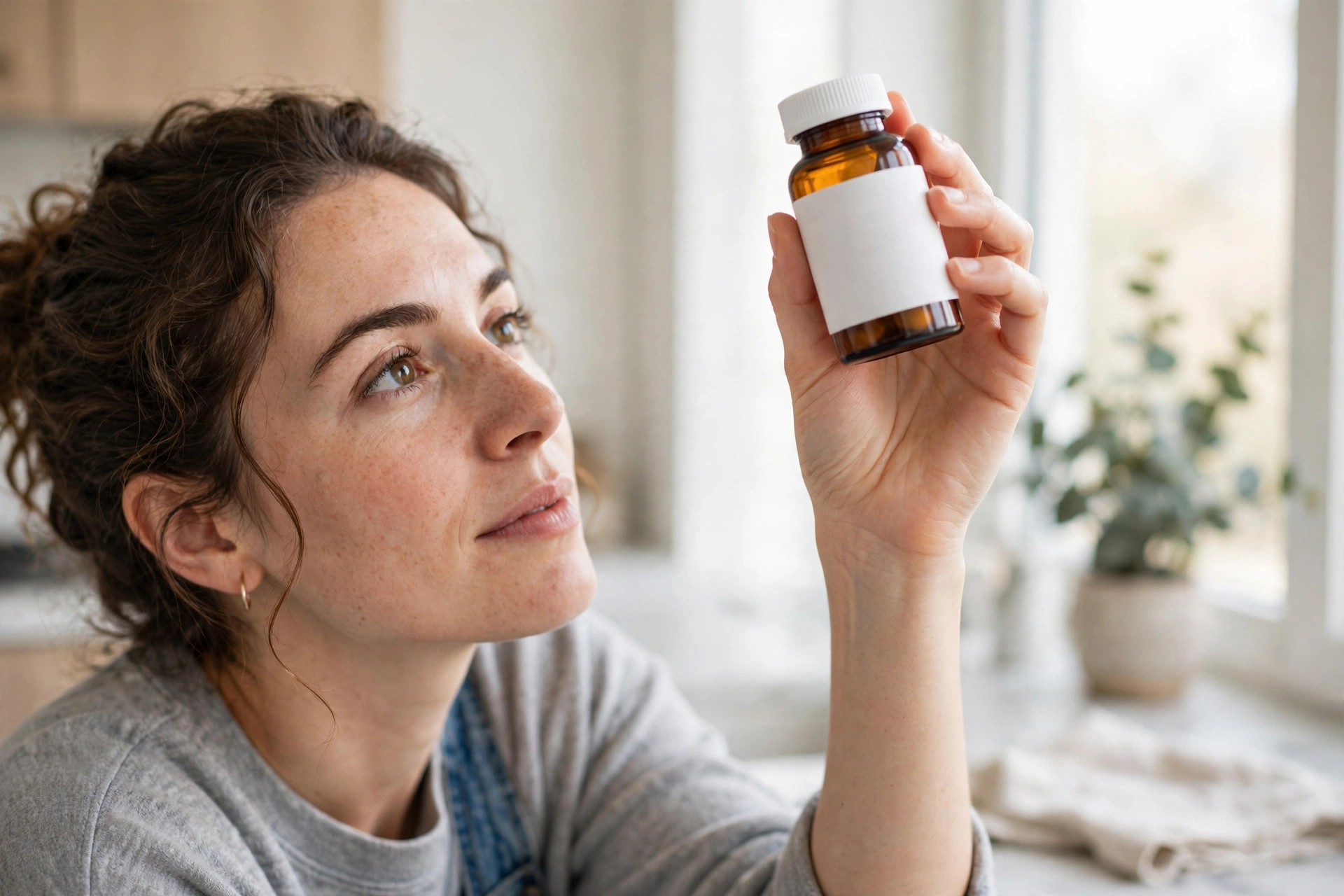
Pick up the bottle, vial, or tube and look at the pharmacy label. Compounded medications carry a lot number — sometimes labeled “Lot,” sometimes “Lot #” or “Lot No.” — printed on the label alongside the drug name, strength, your pet’s name, and the expiration or beyond-use date. On small bottles the print is tiny; good light and reading glasses help, and a phone photo you can zoom into helps more. Write the number down exactly as printed.
Step 2: Call the recall line
Call Wedgewood’s recall line at 866-562-5931 and give them the lot number. They can confirm whether your bottle is in the recalled group and tell you what happens next — replacement, refund, and how to handle the affected medication. Have the bottle in your hand when you call; they’ll likely ask for the drug name, strength, and fill date too, and all of it is on that label. Your veterinary clinic can also check for you — clinics that prescribed these medications were notified, and many have already contacted clients. If you haven’t heard from your vet, don’t assume your bottle is fine. Ask.
Step 3: Keep the bottle
Whatever the answer, do not throw the bottle away yet. Keep it, with its label, somewhere your pet can’t reach. If your pet later shows a problem that might be connected, the bottle and its lot number are the evidence your vet and regulators need. If a replacement is arranged, the pharmacy may also ask you to return the recalled product. A bottle in the trash helps nobody; a bottle in a drawer costs you nothing.

The Part People Get Wrong: Don’t Just Stop the Medication
The instinct when you hear “your pet’s medicine might be the wrong strength” is to stop giving it immediately. Resist that instinct until you’ve talked to your vet — because for these particular drugs, stopping cold can be the most dangerous option on the table.
Pimobendan supports a failing heart. A dog with congestive heart failure who abruptly loses that support can decompensate — fluid builds up, breathing gets hard, and a stable patient becomes an emergency. Fluoxetine is an SSRI; stopping it suddenly after long use can trigger discontinuation effects and a rough rebound of the anxiety or compulsive behavior it was controlling. Ursodiol manages liver and gallbladder disease that doesn’t pause while everyone sorts out the pharmacy situation.
The safe sequence looks like this: check the lot, call the recall line, then call your veterinarian and say plainly, “My pet’s medication is in the recall — what do we do?” Your vet can arrange an alternative supply (often the same drug from a different source or a manufactured version where one exists), adjust the plan, or — if your lot turns out to be unaffected — simply tell you to carry on. What you want is a vet-provided alternative in hand before the current medication stops, not a gap while a sick pet waits. If your pet seems unwell right now — labored breathing, collapse, extreme lethargy, a sudden change for the worse — that’s not a phone-tree situation. That’s an emergency vet visit, bottle in hand.
Signs Worth a Call to Your Vet
While you sort out the lot check, watch your pet with fresh eyes. Contact your veterinarian if you notice:
- Unusual sleepiness, wobbliness, or a pet that seems “drugged” after doses of a medication they’ve taken fine before
- Loss of appetite, vomiting, or diarrhea that lines up with dosing
- A return or worsening of the original symptoms — anxiety behaviors resurging, coughing or faster breathing in a heart patient, reduced energy in a liver patient
- Any sudden change you can’t explain in a pet taking a compounded medication from the recall window
None of these signs prove a potency problem — sick pets fluctuate for many reasons. But in the middle of an active recall, your vet would rather hear about a change early than reconstruct it later. Mention the recall explicitly when you call; it changes how the clinic thinks about the timeline.
How to Report a Suspected Reaction to the FDA
If your pet had a problem you suspect is connected to a compounded medication — recalled or not — reporting it does real work. The 98 complaints in this recall are how regulators gauge scope, and individual reports are how the next problem gets caught early. Reports about animal drugs go to the FDA’s Center for Veterinary Medicine (CVM).
You can report through the federal FDA animal and veterinary problem-reporting page, which routes you to the Safety Reporting Portal for animal drug adverse events. You’ll be asked for the product name, the lot number (another reason to keep that bottle), dates, and a description of what happened. Your veterinarian can also file a report and may add clinical details you can’t. Don’t worry about proving causation before you report — suspicion is enough. The FDA’s job is to look for patterns across reports; your job is simply to add yours to the pile if your pet was affected.
Frequently Asked Questions
How do I know if my pet’s medication is part of the Wedgewood recall?
By the lot number — there’s no other reliable way. Find the lot number on the pharmacy label of any Wedgewood compounded medication shipped between February 18 and October 6, 2026, and call the recall line at 866-562-5931 to check it. Your veterinary clinic can also verify it for you. The drug’s name alone doesn’t settle it; two bottles of the same medicine can sit in different lots.
My pet seems fine. Do I still need to check?
Yes. A medication that’s too weak often produces no visible sign at all — the pet just goes undertreated. And a pet can appear fine on a too-strong dose right up until they don’t. “Seems fine” is reassuring, but it isn’t a lot check, and the check takes one phone call.
Should I stop giving the medication until I know?
Not on your own. For drugs like pimobendan, fluoxetine, and ursodiol, stopping abruptly can harm your pet more than a questionable dose does. Call the recall line and your veterinarian first, get an alternative plan in place, and only then change anything. The exception: if your pet is actively unwell — struggling to breathe, collapsed, unresponsive — skip the calls and go to an emergency vet now, taking the bottle with you.
Does this recall affect cats, or only dogs?
Both. Fluoxetine and ursodiol are commonly prescribed to cats as well as dogs, and compounded liquids, pastes, and drops are used heavily in feline medicine precisely because cats are hard to pill. If your cat takes a Wedgewood compounded medication from the recall window, check its lot number too.
What if I already threw the bottle away?
Call your veterinary clinic. Your pet’s medical record and the pharmacy’s dispensing records will show what was dispensed and when, and the clinic can work with Wedgewood to identify the lot. Then, going forward, keep medication bottles until the medication is finished and replaced — the label is the receipt for exactly this situation.
Who pays for the replacement medication?
Recall logistics — replacement product, refunds, return of affected medication — are handled through the recall process, so ask the recall line at 866-562-5931 what applies to your lot before you pay out of pocket for a substitute. Your clinic can help coordinate if a different source is needed quickly.
The Bottom Line
This recall is wide — about 4,000 compounded medications over nearly eight months of shipments — but the action it asks of you is small and specific. Find the lot number on your pet’s bottle. Call 866-562-5931. Keep the bottle. And before you change or stop any dose, get your veterinarian’s plan, especially if the medication is pimobendan, fluoxetine, or ursodiol. Ten minutes with a label and a phone protects your pet from both sides of this problem: a dose that was wrong, and a gap in treatment that didn’t have to happen.