

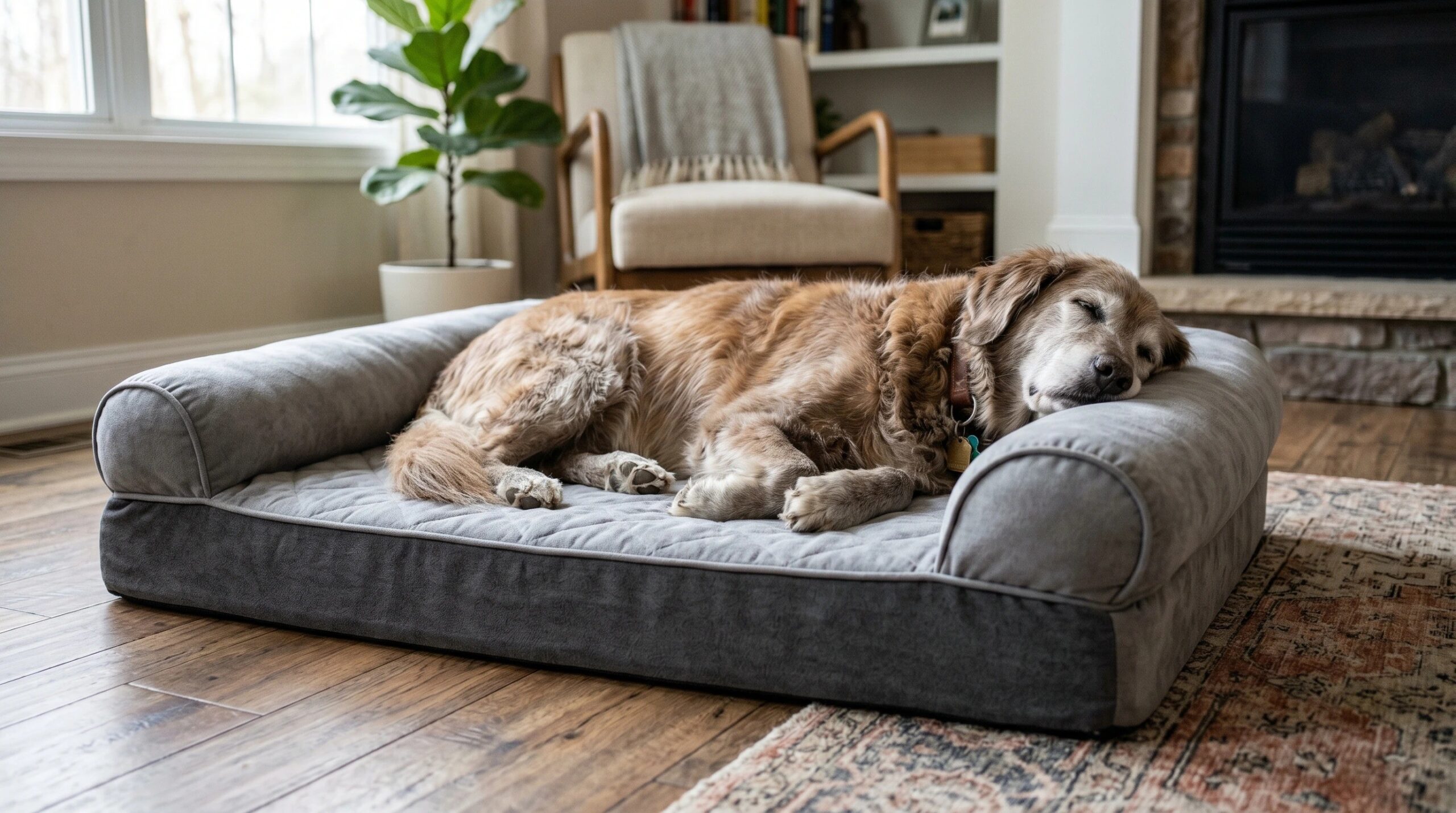
Here’s the short answer, before we get into the weeds: most healthy young dogs sleep just fine on a decent regular bed. But if your dog has arthritis, sore hips or elbows, a recent injury, or a few extra pounds pressing down on those joints, an orthopedic bed will usually make a real, noticeable difference. The difference isn’t the word printed on the tag, either. It’s what’s inside the bed, how well it holds your dog up, and — honestly — whether your dog actually stays on it past 2 a.m.
If you’ve been scrolling at midnight, stuck between two beds that look identical in the photos, you’re not alone. They all look plush. They all promise comfort. This guide helps you decide based on your actual dog — age, joints, how they sleep — instead of marketing copy. We’ll compare support, price, durability, and care, walk through the signs it’s time to upgrade, and cover the mistakes that waste money.
Key Takeaways
- An orthopedic bed uses a solid slab of foam to spread your dog’s weight and take pressure off hips, elbows, shoulders, and spine — a regular bed’s loose fill usually can’t do that for long.
- Seniors, large and giant breeds, overweight dogs, lean bony breeds, and dogs with arthritis or recovering from surgery benefit most; healthy puppies and young dogs often don’t need one yet.
- There’s no official standard for the word “orthopedic,” so judge a bed by foam thickness and density — not the label.
- A better bed improves comfort and sleep, but it isn’t a treatment. Stiffness, limping, or trouble rising deserves a vet visit too.
What Is the Real Difference?

What a regular dog bed is
A regular dog bed is usually filled with polyester fiber, shredded foam, or a thin layer of foam over a fabric base. Press it with your hand and it feels soft and inviting. And look, for plenty of dogs, that softness really is enough. Puppies, small breeds, and healthy adults who curl into a tight donut, burrow under a blanket, or mostly sprawl on your couch anyway often do perfectly well on this kind of bed. Regular beds are lighter, easier to drag from room to room, and they usually cost a lot less — which matters if your dog is in the “everything is a chew toy” phase.
The weakness shows up over time, in the middle of the bed first. Loose fill migrates to the edges, flattens where your dog actually lies, and eventually lets their hips and elbows press straight through to the floor. At that point the bed is basically a decorative mat. You’ll notice the clues: your dog circles forever before settling, flips side to side all night, or quietly gives up and chooses the rug instead. Dogs vote with their bodies. Pay attention to the vote.
What an orthopedic dog bed is
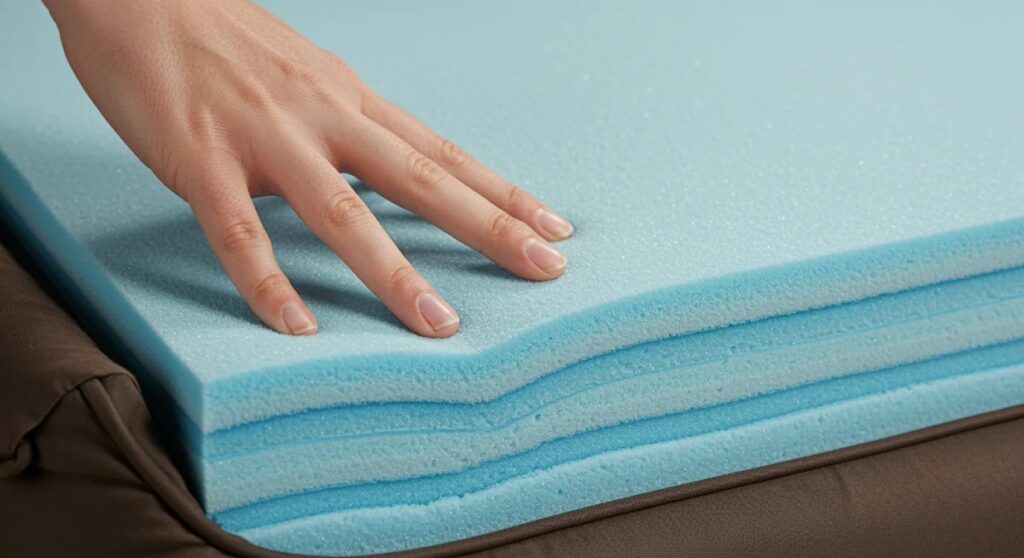
An orthopedic bed is built around a solid slab of foam — most often memory foam, high-density support foam, or a layered combination of the two. Instead of sinking straight through, your dog’s weight gets spread across the whole surface. That means less pressure concentrated on the hips, elbows, shoulders, and spine, which is exactly where it hurts for a dog with joint trouble.
Here’s what the packaging won’t tell you: there’s no official standard a bed must meet to be called “orthopedic.” A manufacturer can slap that word on a two-inch pad of cheap foam and nobody stops them. So ignore the label and check the specs. You want at least 3 to 4 inches of solid foam for a medium or large dog, ideally a softer memory foam top over a firmer support base. All soft memory foam can trap a dog in a body-shaped valley and make it harder for an older dog to push up to standing — the opposite of what you’re paying for.
The American Veterinary Medical Association makes the same basic point from the vet side: in its AVMA guide to caring for senior pets, orthopedic pet beds are listed among the simple home changes — alongside ramps and raised feeding platforms — that can help an arthritic dog feel more comfortable. It’s not a cure. It’s comfort, and for an older dog, comfort is a big deal.
Which Dogs Benefit Most From an Orthopedic Bed?

An orthopedic bed is worth the extra money for some dogs far more than others. Your dog is a strong candidate if any of these sound familiar:
- Your dog is a senior — roughly seven years or older for large breeds, a bit later for small ones.
- Your dog is stiff after naps, slow to rise, or suddenly “forgets” how stairs work.
- Your dog has been diagnosed with arthritis, hip dysplasia, or elbow dysplasia.
- Your dog is recovering from surgery or an injury and your vet has prescribed rest.
- Your dog is a large or giant breed, or carrying extra weight, so more force lands on every joint.
- Your dog is thin and bony — think Greyhounds, Whippets, and other lean breeds — with almost no natural padding over the elbows and hips.
- You’re seeing calluses form on elbows or hocks from lying on hard floors.
Arthritis deserves a moment, because it’s the big one. According to the American Kennel Club’s guide to osteoarthritis in dogs, this degenerative joint disease is especially common in seniors and large breeds, and early signs are easy to miss — stiffness, limping, lagging on walks, reluctance to jump or play. Dogs are stoic and hide pain, which is why a dog who starts sighing, circling, and repositioning all night may be telling you something.
Picture a typical case: a nine-year-old Lab — let’s call him Moose. Moose still lights up for his walk, but getting up has become a production: front end up, pause, haul the back end up, stand there a beat like he’s buffering. On his flattened old bed, his hips were basically sleeping on the floorboards. On a firm 4-inch orthopedic bed, he’s not a puppy again — no bed does that — but he gets up in one motion more often and sleeps through instead of reshuffling every hour. That’s the realistic win: better nights, easier mornings.
By contrast, a healthy puppy who’s still chewing baseboards, a young dog who deliberately seeks out the cold kitchen tile in summer, or a small dog who sleeps curled in a nest of blankets may not need orthopedic foam yet. For puppies especially, a cheap, fully washable regular bed usually makes more sense until the chewing and house-training chapters are closed. You’ll find more options for every life stage in our dog beds and comfort guides.
Orthopedic vs. Regular: A Side-by-Side Look
| Feature | Orthopedic Bed | Regular Bed |
|---|---|---|
| Support | Solid foam slab spreads weight, relieves joint pressure | Soft at first, but fill shifts and flattens over time |
| Best for | Seniors, large breeds, arthritis, injury recovery, overweight dogs | Puppies, young healthy dogs, small breeds, nesters |
| Typical price | Higher up front, lasts longer | Lower up front, replaced more often |
| Cleaning | Removable cover washes; foam itself usually spot-clean only | Often the whole bed goes in the wash |
| Heat | Memory foam can hold warmth; gel and open-cell versions run cooler | Usually airier, but thin beds offer little insulation either way |
| Weight and moving | Heavier, stays put | Light, easy to move between rooms or take in the car |
Support and comfort
Orthopedic beds win on support and pressure relief — it’s not close for a dog with sore joints. Regular beds win on that plush, sink-in feeling some dogs love, especially diggers and circlers who rearrange their spot for a full minute before it’s “right.” If your dog curls into a tight ball, a bolster style in either category can help them feel secure.
Price and value
Yes, orthopedic beds cost more up front — solid foam costs more than loose fill. But run the real math: a bargain bed that pancakes in three months and gets replaced four times in two years can cost more than one good orthopedic bed bought once. Still, don’t overspend on features your dog won’t use. A cooling gel layer is wasted money if your dog spends winter sleeping on the heating vent.
Durability and care
Solid foam holds its shape for years, but it’s heavier and generally can’t go in the washing machine. So the cover matters — a lot. Look for a removable, machine-washable cover and a water-resistant liner, especially for seniors who might have nighttime accidents. Regular beds are often fully washable, a genuine advantage for puppies and dogs who come inside wearing half the backyard.
Heat and season
Memory foam holds body heat. Some dogs love that. If yours runs warm or you live somewhere hot, look for open-cell or gel-infused foam and a breathable cover — or run two beds: an elevated cooling bed for daytime, the orthopedic bed for nighttime support.
If you’re weighing up a bed change, this video from veterinarian Dr. Andrew Jones is worth a watch — he walks through the signs of arthritis in dogs and what actually helps at home:
How to Choose the Right Bed, Step by Step
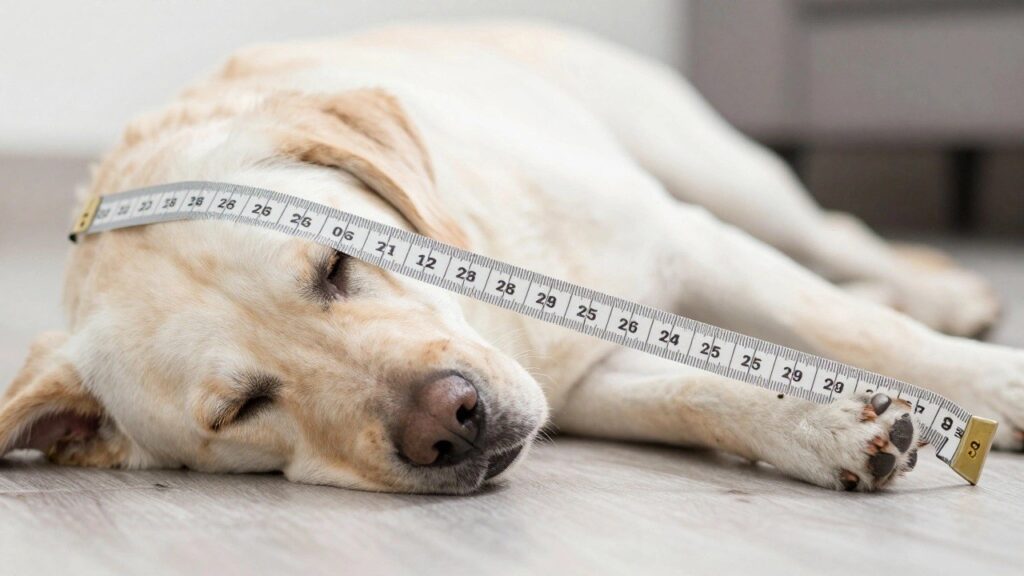
- Measure your dog stretched out. Wait until they’re fully asleep and extended, measure nose to tail base, then add several inches. A bed that’s too small forces cramped, curled sleep — fine for a nester, miserable for a sprawler.
- Do the hand test. Press down hard in the center with your full weight behind your hand. If you can easily feel the floor, your dog’s hip bone will feel it too, all night long.
- Match the style to the sleeper. Sprawlers need a flat mattress. Curlers and leaners usually love bolsters. Dogs who struggle to step up need a low profile they can walk onto, not climb into.
- Prioritize the cover. Removable and machine washable is non-negotiable in most homes. Check that zippers are sturdy and tucked out of reach of determined chewers.
- Place it well. Draft-free, quiet, and in a spot your dog already likes. On hard floors, put a non-slip mat underneath so the bed doesn’t skate away when a stiff dog pushes up to stand.
- Watch for two weeks. Does your dog choose the bed on their own? Sleep in longer stretches? Get up more smoothly? Behavior tells you more than any spec sheet.
Pro tip: if your dog ignores the new bed at first, don’t panic and don’t return it on day two. Put their old blanket on top of it for a few nights so it smells like them, and park it exactly where the old bed lived. Dogs are creatures of habit and geography. Most come around within the week.
Mistakes to Avoid When Buying
A few common ones. First, buying by breed label instead of measuring — “large” means something different to every brand. Second, going too soft: a “cloud-like” bed is often the worst choice for a dog who needs help standing, because they sink in and have to climb out of their own dent. Third, forgetting the cover until the first muddy-paw or senior accident incident. And fourth, expecting a bed to fix a medical problem. If your dog is limping or suddenly can’t do stairs, that’s a vet appointment, not a shopping trip. The AKC’s overview of arthritis treatment and pain management in dogs is clear that real plans are built with a veterinarian and can include weight control, medication, and exercise — the bed is one supportive piece.
Weight deserves its own sentence here, because it’s the piece owners control most. Every extra pound is extra load on sore hips and elbows, all day, every day. If your arthritic dog is also a little round, sorting out portions may help their joints as much as any bed will — our guide on how much you should feed your dog walks through exactly how to find the right amount.
Signs It Is Time to Replace or Upgrade a Bed

Replace a bed when the middle stays flat after you fluff it, the foam is cracked or crumbling, the cover won’t come clean anymore, or your dog has simply started avoiding it. Upgrade to orthopedic support when you notice new stiffness, slower mornings, licking or chewing at joints, or restlessness at night. And say it with us: those changes are also worth mentioning to your veterinarian, because a better bed improves comfort but doesn’t diagnose or treat joint disease.
The Bottom Line
Choose a regular bed if your dog is young, healthy, light, and happily sleeps anywhere — including, given the chance, directly on top of your pillow. Choose an orthopedic bed if your dog is older, larger, recovering, or showing any signs of joint discomfort. Plenty of homes land on both: a solid orthopedic bed where the dog sleeps at night, and a cheap washable one for the living room or crate. Spend your money on foam quality and the right size first. Skip the decorative extras. Your dog doesn’t care what it looks like — they care how their hips feel at 6 a.m.
FAQ
At what age does a dog need an orthopedic bed?
There’s no single age, and anyone who gives you one is guessing. Most owners make the switch when a dog enters the senior stage or starts showing stiffness after rest. Large breeds usually benefit earlier than small breeds, because they age faster and carry more weight on their joints. Go by what you see — slow rises, hesitation at stairs, restless nights — rather than by a birthday.
Can an orthopedic bed help a dog with arthritis?
It can genuinely improve comfort and sleep quality by taking pressure off sore joints, and better sleep helps everything else. But it isn’t a treatment. Dogs with arthritis need a veterinarian’s plan, which may include weight management, the right kind of exercise, joint support, and pain medication. Think of the bed as one leg of the stool, not the whole stool.
How thick should an orthopedic dog bed be?
For most medium and large dogs, around 4 inches of solid foam with a firm support base is a good target. Small dogs can do well with slightly less. But thickness alone isn’t the whole story — what matters is that the foam doesn’t bottom out under your dog’s weight. A dense 3-inch bed beats a fluffy 5-inch bed that collapses to nothing.
Why does my dog still sleep on the floor instead of the new bed?
Usually it’s heat, habit, or location — in that order. Memory foam sleeps warm, and some dogs just run hot. Others need time; try the old-blanket trick and give it a week or two. If your dog is choosing hard floors and also seems stiff or restless, mention it to your vet, because floor-seeking plus discomfort can be a pain clue, not just a preference.
Are orthopedic beds worth it for young dogs?
Sometimes. A young large-breed dog, a very active dog who trains hard, or a lean breed with bony elbows can all benefit from real support early on. But for a typical healthy puppy in full chew mode, save the money, buy washable and cheap, and upgrade when they’ve stopped eating their bedding.
Sources
- Osteoarthritis in Dogs: Signs, Symptoms, Treatment — American Kennel Club
- Arthritis in Dogs: How to Treat and Manage Pain — American Kennel Club
- Senior Pets brochure — American Veterinary Medical Association (AVMA)
Disclaimer: This article is for general information only and is not veterinary advice. If your dog is limping, in pain, or has a diagnosed joint condition, talk to your veterinarian about the best support and care plan.



Pingback: How Much to Feed a Dog: Portions by Weight & Age