It’s a moment every bird owner dreads. You walk past the cage expecting the usual whistle or happy beak-grinding — and instead your bird is just sitting there. Fluffed up. Eyes half closed. Not interested in you or breakfast.
If your pet bird is sitting fluffed and quiet, breathing with a bobbing tail, sitting on the cage floor, barely eating, or producing droppings that look different from yesterday, treat it as urgent and call an avian vet today. Birds hide illness as long as they can, so by the time signs your pet bird is sick are obvious, your bird has often been unwell for a while. You don’t need to diagnose anything at home. Your job is simpler: notice the change, keep your bird warm and calm, and get help fast.
Disclaimer: This article is general information for pet bird owners in the United States. It is not veterinary advice, a diagnosis, or a substitute for care from a qualified avian veterinarian. If your bird shows any sign below, contact an avian vet or an emergency animal hospital that treats birds right away. Don’t try home remedies or leftover medication instead of getting help.
Key Takeaways
- Birds hide illness, so any clear change from normal — appetite, energy, voice, droppings, or breathing — deserves a same-day call to an avian vet.
- Breathing trouble, sitting on the cage floor, bleeding, weakness, seizures, or not eating at all are emergencies. Don’t wait overnight.
- In the first hour: keep your bird warm and quiet, put food and water within easy reach, write down what changed and when, and call the vet before you travel.
- Never give human medicine, leftover antibiotics, or home remedies, and never force food or water into your bird’s beak.
- Find an avian vet before you need one, and save that number — plus your nearest bird-treating emergency hospital — in your phone.
Why Birds Need Faster Action Than Dogs or Cats
In the wild, a bird that looks weak is the one a predator picks out first, so pet birds are wired to act normal long after they start feeling awful. That instinct doesn’t switch off in your living room. Birds are also small, with fast metabolisms: a parrot that skips meals or struggles to breathe has little reserve, and things can go downhill in hours. That’s why vets who treat birds, including the team behind VCA Hospitals’ guide to recognizing illness in pet birds, stress acting on any deviation from normal — not just a dramatic collapse. You know your bird’s normal. If today isn’t it, trust yourself.
10 Signs Your Pet Bird Is Sick
1. Sitting Fluffed Up, Sleepy, and Quiet for Hours
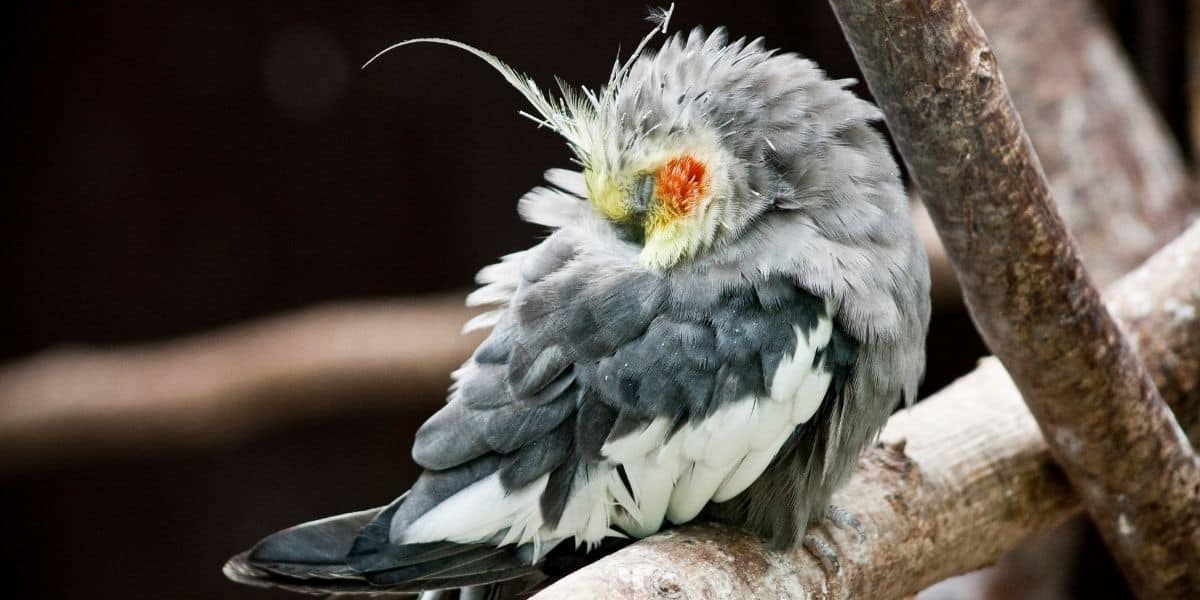
At home, it might look like this: your normally chatty budgie spends the morning puffed into a ball, eyes drifting shut, ignoring the radio he usually sings along to. A short fluff during a nap is normal. Staying fluffed for hours, sleeping far more than usual, and losing interest in people, food, and toys means your bird is conserving energy because something’s wrong. If it lasts beyond a normal nap — especially with any other sign here — call a vet the same day.
2. Sitting on the Cage Bottom
Healthy adult birds sleep and rest on perches. Finding yours on the cage floor — huddled in a corner, leaning against the bars for support, or unable to stay up on a perch — means weakness, pain, injury, or serious illness until proven otherwise. A young bird exploring the floor while playing is one thing; an adult who has moved down there and stayed is another. Keep your bird warm and contained, handle it as little as possible, and treat this as urgent.
3. Breathing Changes: Tail Bobbing, Open Beak, or Clicking
Watch your bird breathe for a minute. In a healthy, resting bird, breathing is almost invisible. What’s not normal: the tail pumping with every breath, breathing with the beak open, wheezing or clicking, or stretching the neck to get air. Lafeber’s pet bird resources describe these changes among the signs that warrant an immediate call to an avian veterinarian. Breathing trouble is a true emergency. Keep sprays and smoke away, and get help now — don’t wait to see if it settles.
4. Not Eating — or Only Pretending to Eat
This one fools a lot of owners. A sick bird may sit at the bowl, pick up seeds, and drop them, looking busy while eating almost nothing. Check the evidence: Is the food level actually going down? Are droppings getting smaller or fewer, suggesting less food is going in? A bird that ignores a favorite treat today is telling you something. In a small bird, a full day of not eating is already too long to watch and wait.
5. A Clear Change in Droppings
You clean the cage every day, so you’re actually your bird’s best early-warning system. A normal dropping has three parts: a solid green or brown portion, white urates, and a little clear liquid. Changes worth acting on include droppings that stay very watery, turn black and tarry, contain blood or undigested seed, or suddenly become far fewer than usual. One loose dropping after a bath isn’t a crisis; a change that persists through the day is. Line the cage with white paper towels, take a clear photo, and show the vet what you saw.
6. Discharge, Sneezing, or Swollen Eyes
Maybe you notice wet feathers above the nostrils, a crusty cere, one eye held half shut, or your bird rubbing its face on the perch. Frequent sneezing, discharge, a voice change, or swelling around the face shouldn’t be brushed off as “just a cold.” Birds don’t get simple human-style colds, and these signs can point to infection or irritation. Jot down anything new at home — candles, air fresheners, a recently arrived bird — because your vet will ask.
7. Vomiting, or Food Stuck Around the Beak
Regurgitation can be normal courtship behavior: your bird bobs its head in a controlled way and offers food to a bonded person or favorite toy. Vomiting looks different and messier. It’s more forceful, often comes with sharp head-shaking, and leaves wet food and mucus smeared on the face and cage bars. A sour smell around the beak, repeated swallowing, or gagging are also red flags. A bird that’s truly vomiting needs prompt veterinary care, not a wait-and-see evening.
8. Feather, Skin, or Beak Changes — Including Plucking
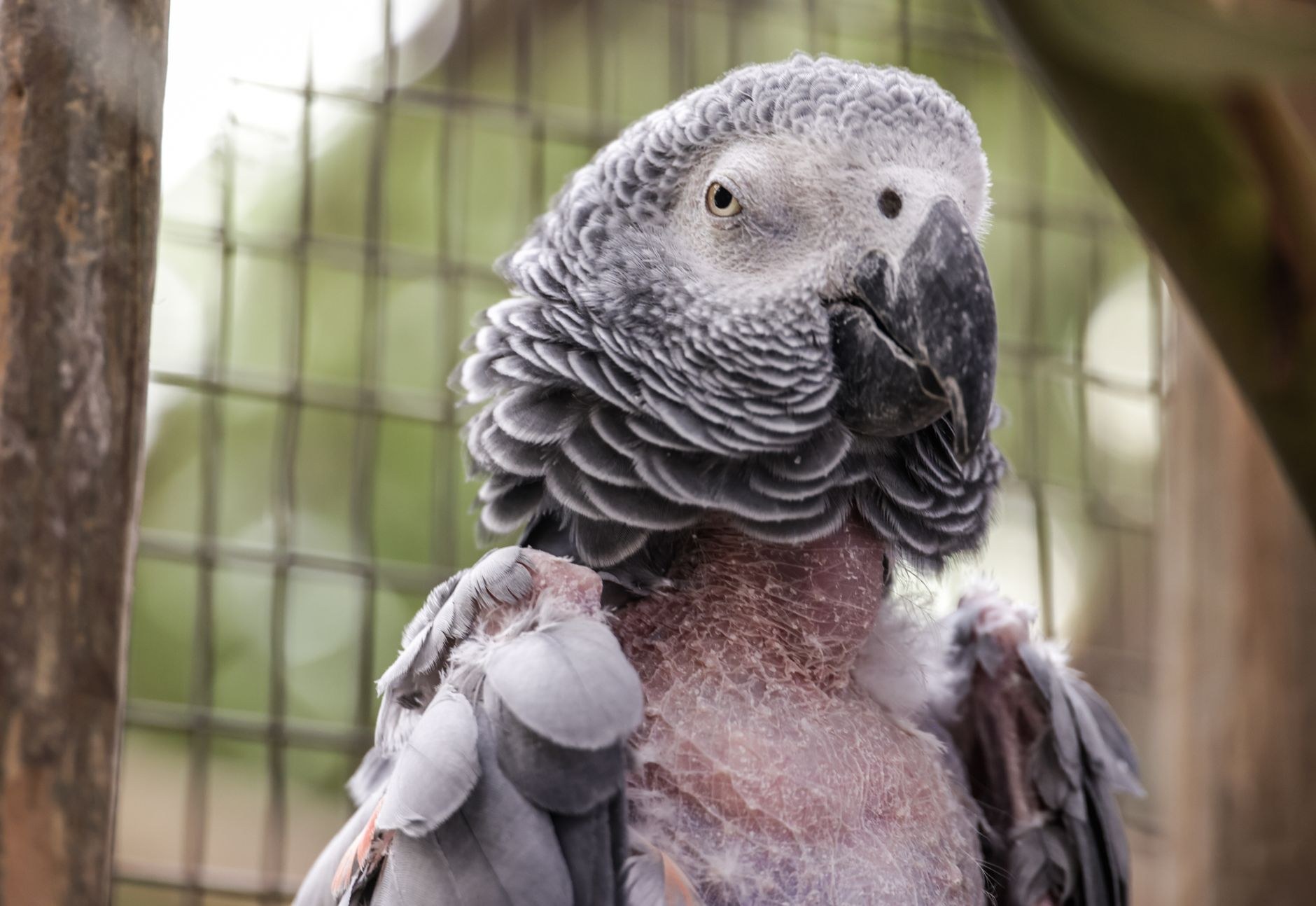
Sometimes the change is slower: feathers that look dull or ragged outside a normal molt, scaly buildup on the beak or legs, a beak that’s overgrown or misshapen — or your bird pulling and plucking out its own feathers. Don’t assume plucking is “just boredom.” It can have medical causes — skin irritation, infection, nutrition problems, or pain — alongside behavioral ones. A vet workup comes first, especially when the change is sudden or the skin looks red or damaged.
9. Weakness, Imbalance, or Seizures
Stumbling on the perch, a new head tilt, circling, one foot that won’t grip, tremors, falling, or a seizure — these are emergency signs, full stop. If you can do it safely and without a chase, lower the perches or settle your bird into a small, warm, towel-padded carrier. Turn the noise down, dim the lights, and go. Note how long an episode lasted and what happened right before it — those details genuinely help the vet.
10. Bleeding, a Broken Blood Feather, or Any Injury
Any active bleeding is an emergency, because a small bird doesn’t have much blood to lose. A broken blood feather — a large, still-growing feather with a blood supply — is a common culprit and can bleed steadily. Don’t pull it yourself unless a vet talks you through it. Apply gentle pressure with clean gauze if your bird tolerates it, keep it warm, and call for urgent guidance. The same urgency applies after a fall, a window strike, or any grab from a cat or dog — even if you can’t see a wound.
Watching these signs explained can help them stick. This video walks through warning signs in cockatiels, including fluffing, cage-floor sitting, and tail bobbing:
What to Do in the First Hour: A Calm Checklist
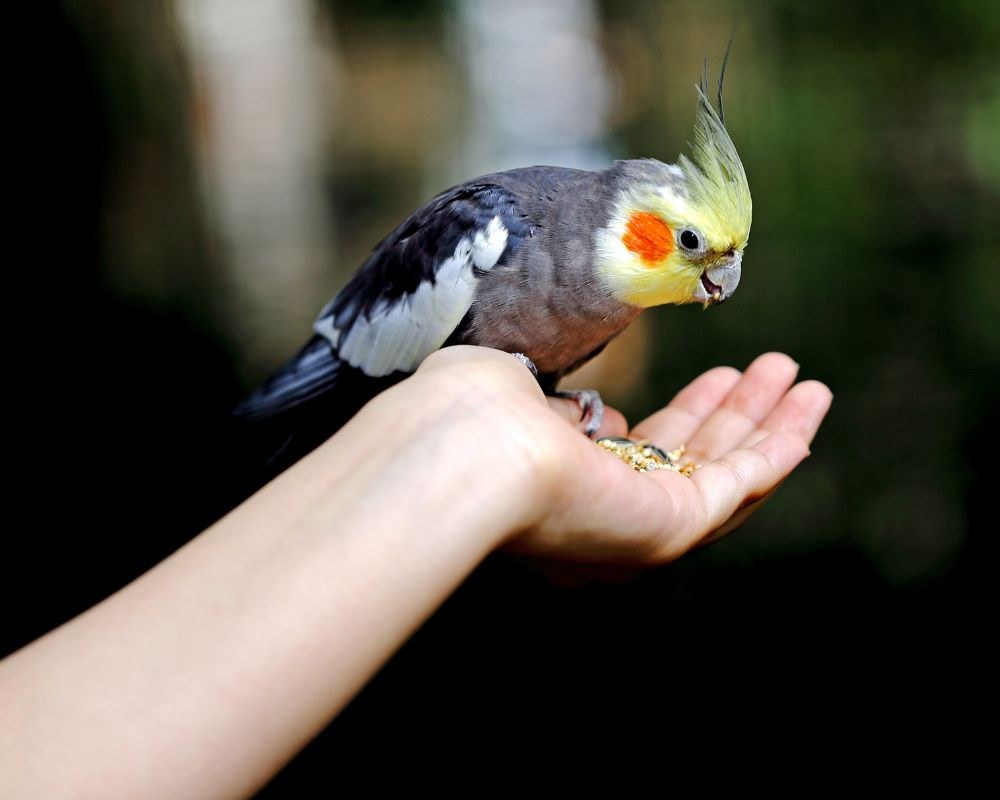
You’ve spotted something. Your heart is thumping. Here’s the order that helps most:
- Call first. Phone your avian vet and describe what you saw and when it started. If they’re closed, call an emergency animal hospital — and confirm it actually treats birds before you set off.
- Keep your bird warm and quiet. A calm, warm, dim spot in the cage or carrier reduces stress. Never place your bird directly against a heating pad or lamp, and check often so it doesn’t overheat.
- Put food and water within easy reach. Move dishes low if perching is hard. Never force food or water into the beak — a weak bird can inhale it, which creates a second emergency.
- Take photos and notes. Photograph the droppings on fresh paper towels, note appetite, breathing, and behavior, and write down when you last saw your bird completely normal.
- Separate a sick bird from cage mates if you can do it without a long, stressful chase, and wash your hands between birds. Tell the vet about every bird in the home.
- Give nothing by mouth unless the vet says so. No medication, no supplements in the water, no “tonics.” Just warmth, quiet, and a fast phone call.
For more on everyday care that supports good health between scares, browse our bird health and care guides.
How to Transport a Sick Bird Safely
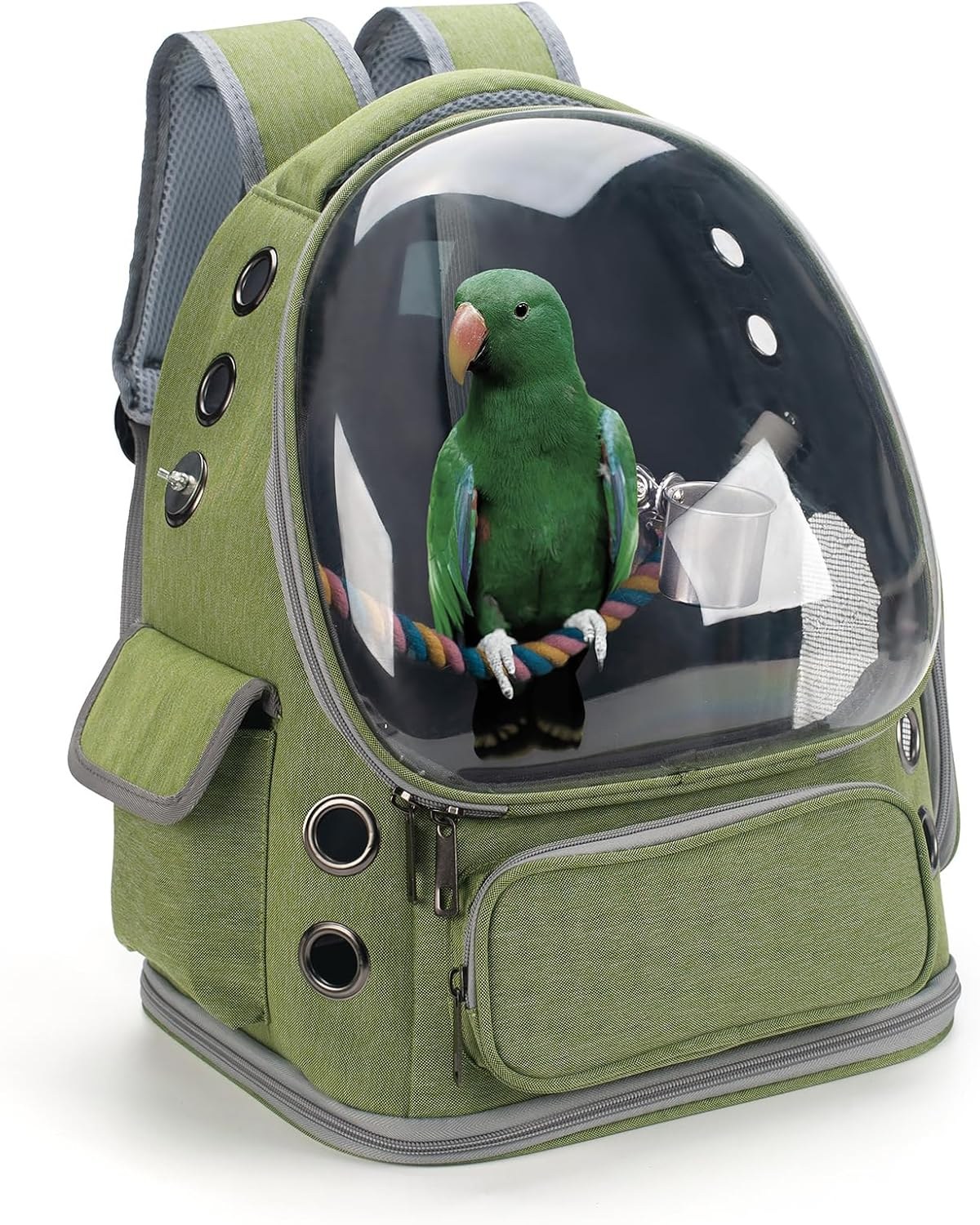
Skip the big cage — it’s hard to carry, and a frightened, weak bird can fall from a high perch and injure itself. Use a small, secure, well-ventilated travel carrier instead. Line the bottom with a clean towel for grip and padding, and skip the perch if your bird is weak or wobbly; resting on the towel is safer. If your bird is steady, a single low perch is fine.
Cover the carrier with a light cloth to keep things dark and calm, keep the car quiet, and drive smoothly. Warm the car first in cold weather, and never leave your bird in a parked car in summer. Bring your notes, your droppings photo (or the paper towel in a sealed bag), and a list of your bird’s foods. Call ahead if breathing worsens, so the team can be ready.
How to Find an Avian Vet — Before You Need One
The worst time to search “bird vet near me” is with a sick bird in a carrier. Not every small-animal clinic treats birds, and birds need a vet with avian training and equipment sized for them. The Association of Avian Veterinarians offers guidance on finding a veterinarian for your feathered friend, including its Find-a-Vet tool. Local bird clubs, rescues, and your regular vet can also point you to someone they trust.
Do it this week, while everyone is healthy. Save the avian vet’s number and your nearest bird-treating emergency hospital in your phone, and book a routine wellness visit — it gives your bird a baseline exam and a recorded healthy weight, which makes an urgent call easier later. Everyday nutrition underpins health too; our guide to what should a budgie eat every day is a practical place to start.
What NOT to Do
- Don’t give human medicine. Not pain relievers, not cold medicine, not a drop of anything from your cabinet. Products that are routine for people can be dangerous for birds.
- Don’t use leftover or borrowed antibiotics. The wrong drug, an old drug, or a drug meant for another animal can harm your bird and mask signs your vet needs to see. This article will never give you doses — dosing is your vet’s job, based on your bird’s weight and diagnosis.
- Don’t try home remedies. No garlic water, vinegar tonics, herbal drops, or internet “cures.” At best they waste the hours your bird doesn’t have; at worst they make things harder to treat.
- Don’t force-feed or syringe water unless a vet has shown you how and told you to. Aspiration is a real and serious risk.
- Don’t wait “a few days to see.” With birds, waiting is the remedy that fails most often. A same-day phone call costs you nothing but a few minutes.
- Don’t expose a sick bird to fumes while you wait — no smoking, vaping, scented candles, air fresheners, or overheated nonstick cookware near your bird.
Mistakes Even Loving Owners Make
Most of these come from kindness, not carelessness. Owners wait because their bird “perked up” for an hour — birds often rally briefly, then crash harder. They land on a forum remedy and lose a day. They skip weighing because it feels clinical — yet a kitchen gram scale, used weekly, can flag weight loss while your bird still looks round and fluffy. And they assume a regular vet is close enough. If your clinic doesn’t see birds, ask now — before an emergency — who they’d send you to at 9 p.m. on a Sunday.
Frequently Asked Questions
How long can I watch and wait if my bird seems a little off?
If the change is mild but real — quieter than usual, eating less, droppings a bit different — call an avian vet that same day and ask for advice rather than waiting at home for days. With breathing difficulty, cage-floor sitting, bleeding, weakness, or not eating at all, don’t wait at all. Those are same-day emergencies, and after-hours emergency hospitals that treat birds exist for exactly this.
Should I separate a sick bird from my other birds?
Yes, in most cases. Move the sick bird to a separate cage, ideally in a different air space, if you can do it without a long chase, and wash your hands before and after handling each bird. Some bird illnesses are contagious, so tell the vet about every bird in your home — the others may need checking even if they look fine.
Can I treat my bird at home with warmth alone?
Warmth and quiet are supportive first aid while you arrange care — they are not treatment. They can’t diagnose or fix an infection, an injury, egg-binding, or organ trouble. Think of them as what you do on the way to the vet, never instead of the vet.
What should I tell the vet when I call?
Keep it concrete: your bird’s species and age, when you last saw it completely normal, exactly what changed (appetite, droppings, breathing, energy, voice), anything new in the home — food, toys, cleaning products, candles, another bird — and whether other pets or birds are involved. Your paper-towel droppings photo is worth more than a long description.
How can I catch illness earlier next time?
Build two tiny habits. First, a daily one-minute look: Is my bird bright, eating, and vocal as usual, with normal droppings? Second, a weekly weigh-in on a gram scale, logged in your phone. A steady downward trend is often the earliest clue you’ll get — and exactly the information an avian vet can act on quickly.
Sources
- VCA Hospitals — Recognizing the Signs of Illness in Pet Birds
- Lafeber Pet Birds — Why You Need an Avian Veterinarian
- Association of Avian Veterinarians — Finding a Veterinarian for Your Feathered Friend