This guide contains affiliate links. As an Amazon Associate, PawChirp earns from qualifying purchases — at no extra cost to you. Read our full disclosure.
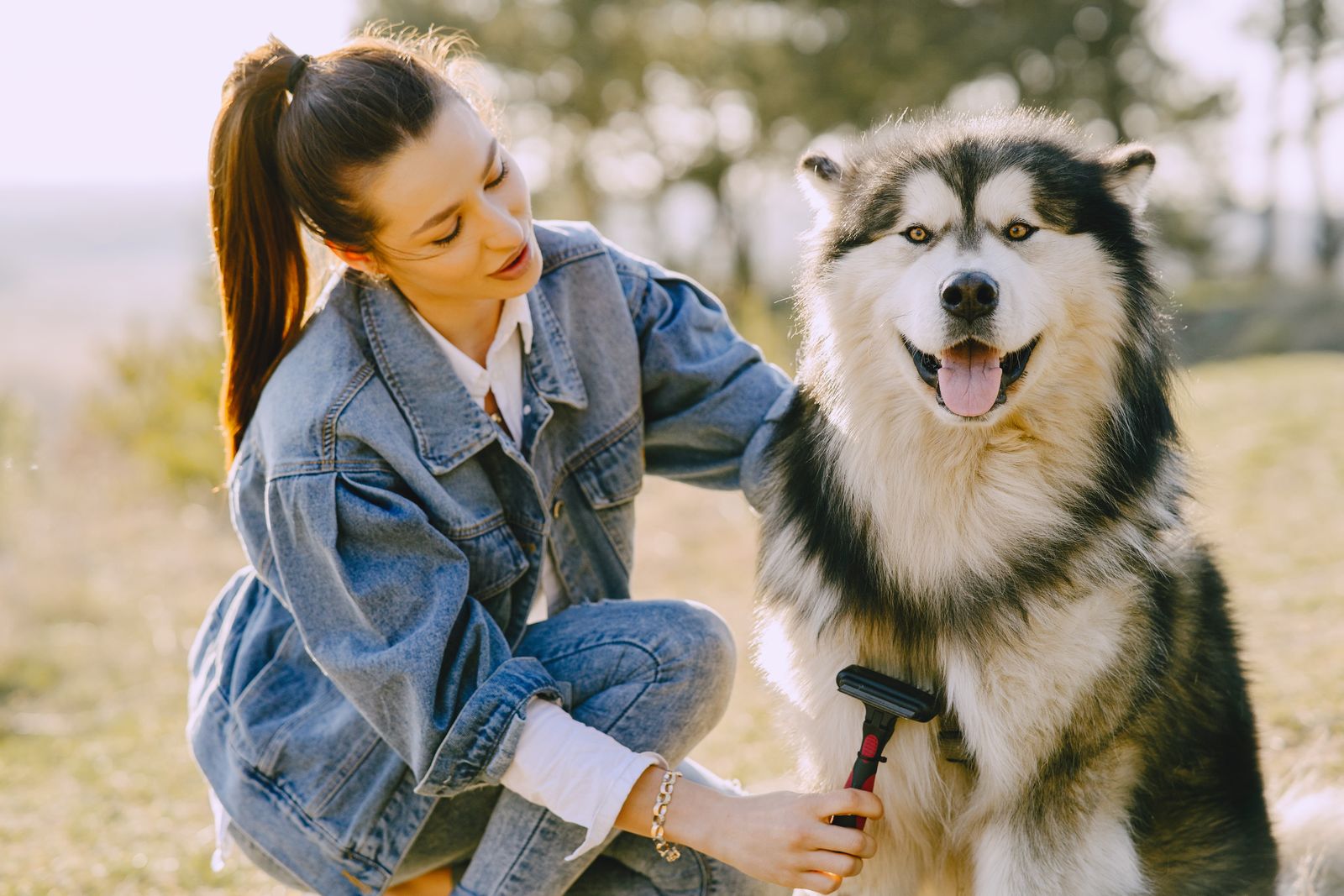
If you live with a Husky, a Golden Retriever, or a German Shepherd, you already know the routine: fur on the couch, fur on your clothes, fur tumbleweeds rolling across the kitchen floor. Shedding is normal — it’s how double-coated dogs swap out their undercoat as seasons change — but the amount of loose hair in your home is very much under your control. The trick is using the right tool for your dog’s coat. A deshedding brush for dogs that works beautifully on a Lab’s short double coat will do almost nothing on a Collie’s dense mane, and the wrong tool used too hard can irritate skin or damage the healthy topcoat.
Grooming guidance from the American Kennel Club makes the same basic point: regular brushing matched to coat type keeps loose hair on the brush instead of on your furniture. Below, we compare five well-known deshedding tools — a blade-style deshedder, a self-cleaning slicker, a double-sided undercoat rake, a rubber curry brush, and a simple shedding blade — and explain which coat each one is built for, where it falls short, and how to use it safely.
Key Takeaways
- The FURminator Undercoat deShedding Tool is the strongest pick for large dogs with short double coats — it pulls out serious amounts of loose undercoat fast.
- For daily upkeep between deep sessions, the Hertzko Self-Cleaning Slicker Brush is the easiest to live with thanks to its one-button hair release.
- Thick, mat-prone coats need the Maxpower Planet Double Sided Undercoat Rake, which breaks up tangles on one side and desheds on the other.
- Short, smooth coats and brush-shy dogs do best with the gentle KONG ZoomGroom, which doubles as a bath-time shampoo brush.
- Deshedding tools are for shedding coats only — never on non-shedding breeds like Poodles, and always with light pressure.
Quick Picks: The 5 Deshedding Tools Compared
| Product | Best For | Tool Type | Check It Out |
|---|---|---|---|
| FURminator Undercoat deShedding Tool, Large Short Hair | Large dogs with short double coats | Stainless steel deshedding edge | Check Price on Amazon |
| Hertzko Self-Cleaning Slicker Brush | Everyday brushing and light shedding | Retractable wire slicker | Check Price on Amazon |
| Maxpower Planet Double Sided Undercoat Rake | Dense, long, or mat-prone double coats | 9-tooth dematter / 17-tooth rake | Check Price on Amazon |
| KONG ZoomGroom, Large | Short, smooth coats and bath time | Soft rubber curry brush | Check Price on Amazon |
| SleekEZ Dog Brush for Shedding, 5 inch | Broad use across short to long coats | Shedding blade in wood handle | Check Price on Amazon |
How We Chose These Deshedding Tools
We researched the deshedding tools owners of heavy shedders actually buy and stick with, then narrowed the list to one strong option per coat type rather than five versions of the same tool. For each pick we looked at the manufacturer’s sizing and coat guidance, the tool’s construction, and recurring themes in owner feedback — both the praise and the complaints, which is why every section below includes honest downsides. We did not hands-on test these products, and we don’t claim to; our picks rest on published specifications and aggregated owner experience. Read more about our approach on our how we choose products page.
One safety note before the reviews: deshedding tools are for dogs that actually shed an undercoat. Breeds with continuously growing, non-shedding hair — Poodles, Bichons, and similar single-coated breeds — should not be groomed with blade deshedders or undercoat rakes. And on any dog, more pressure is never better.
FURminator Undercoat deShedding Tool — Best for Large Short Double Coats
Who it’s for: Owners of large double-coated dogs — Labs, German Shepherds, and similar breeds over 50 lb — with coats shorter than 2 inches that shed heavily, especially during seasonal coat blows.
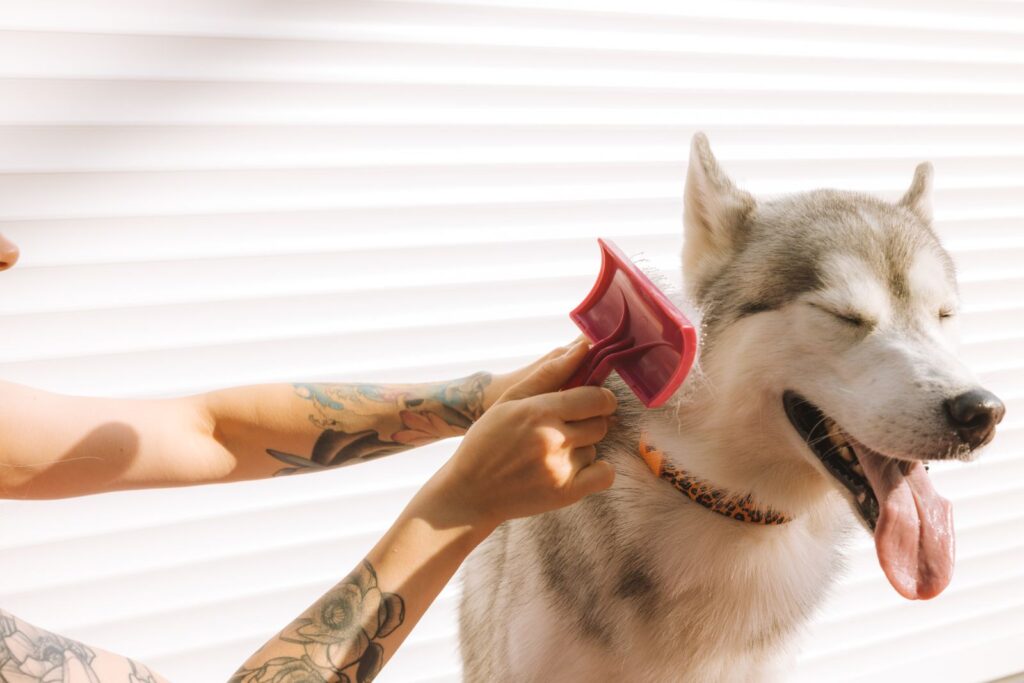
The FURminator is the tool most people picture when they hear “deshedding brush,” and for good reason. Its stainless steel deshedding edge reaches through the topcoat and grabs loose undercoat before it ends up on your floors, and a single weekly session can produce a genuinely startling pile of fur. This listing is the Large, Short Hair version (model P-92913-4), sized for dogs over 50 lb with coats under 2 inches. The FURejector button pushes collected hair off the edge so you’re not picking it out by hand, and the edge guard locks over the blade for storage. FURminator sells other sizes and a separate long-hair version, so match the version to your dog rather than assuming one size fits all.
Pros
- Removes large amounts of loose undercoat in minutes on the right coat
- FURejector button makes clearing the edge quick and mess-free
- Stainless edge and sturdy build hold up season after season
Cons
- Very easy to overdo: heavy pressure or repeated passes in one spot can irritate skin and thin or damage the topcoat
- Completely wrong for single-coated or non-shedding breeds
- Won’t work through mats — tangles have to come out first
Use it once a week at most during heavy shedding, with light pressure in the direction of hair growth, and stop if the skin underneath looks pink.
Hertzko Self-Cleaning Slicker Brush — Best for Everyday Upkeep
Who it’s for: Owners who brush several times a week and want a gentle, all-purpose brush for short, medium, or long coats — especially anyone who hates picking fur out of brush pins.
A slicker brush is the workhorse of everyday grooming, and the Hertzko’s party trick solves the slicker’s most annoying flaw. Its fine bent-wire bristles penetrate the coat, lift loose fur, and smooth out light tangles. When the brush is full, you press the button on the back: the bristles retract into the head and the collected hair releases in one sheet. That same retraction protects the pins in storage. The handle is a comfort-grip, anti-slip design with a thumb rest, which matters during a ten-minute session on a wiggly dog. This is the Original/regular version of the brush.
Pros
- One-button self-cleaning — the fur comes off in seconds
- Gentle enough for frequent, even daily, brushing on most coats
- Handles light tangles and loose hair in a single pass
- Comfortable grip for longer sessions
Cons
- Skims more than it deep-desheds: it won’t pull a packed undercoat out of a thick double coat in full blow-out
- Fine wire pins can feel sharp — keep pressure light and avoid scabs, sore spots, bellies, and ears
- Some owners report the retraction button feels less solid over time
Think of the Hertzko as your maintenance brush: a few minutes a few times a week keeps loose hair down between deeper sessions.
Maxpower Planet Double Sided Undercoat Rake — Best for Mats Plus Undercoat
Who it’s for: Owners of thick, dense, or long double coats — Golden Retrievers, Huskies, Collies — where loose undercoat and tangles show up together.
Most deshedding tools assume you’re starting with a tangle-free coat. The Maxpower Planet rake is built for dogs who never quite give you one. It’s double-sided: the 9-tooth side works through stubborn mats and tangles, and the 17-tooth side thins and pulls loose undercoat. The inner teeth are sharpened to cut through knots while the outer tips are rounded to be kinder to skin, and the whole thing is one solid tool with a non-slip rubber handle — no buttons, no moving parts. This is the extra-wide version, which covers a big dog’s back in fewer strokes.
Pros
- Two tools in one: dematting side plus deshedding side
- Handles the tangles that stop blade deshedders cold
- Simple, durable design with nothing to break or retract
- Extra-wide head speeds up work on large dogs
Cons
- The sharpened dematting teeth can tug and hurt if you rush — work in small sections and hold the base of each mat so it doesn’t yank the skin
- Can be uncomfortable over thin-furred, bony areas like the ribcage
- No ejector button, so you clear the teeth by hand as you go
- A severely matted coat still belongs with a professional groomer first
Go slowly with this one — short, gentle strokes in small sections get a dense coat under control without a wrestling match.
KONG ZoomGroom — Best for Short, Smooth Coats and Bath Time
Who it’s for: Owners of short, smooth-coated dogs — Labs, Beagles, Boxers — plus anyone whose dog flinches at metal brushes or loves a massage more than a grooming session.
The ZoomGroom is the gentlest tool in this roundup: a soft rubber brush whose flexible rubber fingers attract loose hair like a magnet as you stroke. There’s no metal edge and nothing to scrape skin, so nervous and brush-shy dogs usually accept it happily — most treat it as a massage. It’s also a genuine two-in-one: use it dry for everyday loose-hair removal, then in the tub to work shampoo through the coat and loosen dead hair while you wash (if you’re unsure how often that should happen, see our guide on how often you should bathe a dog). This listing is the Large size in red/raspberry (model ZG1); a blue version and smaller sizes are sold separately. Owners rate it highly — approximately 4.7 out of 5 stars across roughly 2,250 ratings on Chewy.
Pros
- Gentlest option here — ideal for sensitive and brush-shy dogs
- Doubles as a bath brush that helps lather shampoo and lift dead hair
- Rubber fingers pull loose surface hair surprisingly well on short coats
- Simple, durable, easy to rinse clean
Cons
- Only removes loose surface hair — it does very little on long, thick, or double coats
- Cannot detangle or pull packed undercoat, no matter how hard you press
- Won’t replace a real deshedder during a heavy seasonal blow-out
For a short-coated dog, a few minutes with the ZoomGroom a couple of times a week — plus a bath-day session — keeps shedding manageable with zero drama.
SleekEZ Dog Brush for Shedding — Best Simple Shedding Blade
Who it’s for: Owners who want one dead-simple tool for short, medium, and long shedding coats — that also doubles as a furniture hair remover.
The SleekEZ is about as low-tech as grooming gets: a patented wave-pattern, fine-tooth stainless steel blade set into a poplar wood handle, made in the USA. Draw it along the coat with smooth, light strokes and it grabs loose hair at the tips, pulling it out in satisfying sheets. This is the 5-inch size, intended for dogs (other sizes exist for other animals). It’s a long-standing owner favorite, holding approximately 4.6 out of 5 stars across roughly 37,000 reviews at one major retailer. Between sessions, the same blade lifts embedded pet hair off upholstery, bedding, and car seats.
Pros
- Works on short, medium, and long shedding coats with one tool
- No moving parts — nothing to jam, retract, or break
- Pulls loose hair out in sheets; very satisfying on heavy shedders
- Doubles as a furniture and car-seat hair remover
Cons
- Does nothing for mats or tangles — comb those out first
- Hair flicks off the blade as you work, so sessions can get messy
- Technique matters: too much pressure or repeated strokes over bony areas can annoy sensitive dogs
- Not suited to non-shedding, human-like coats such as Yorkies or Shih Tzus, per the maker’s guidance
For multi-coat households — or one dog and a lot of upholstery — the SleekEZ is the most versatile purchase in this guide.
Buying Guide: How to Choose the Right Deshedding Tool
Start with the coat, not the marketing. Double-coated breeds (Huskies, Shepherds, Retrievers, Corgis) shed a soft undercoat and benefit from a blade deshedder or undercoat rake. Short, smooth single coats (Boxers, Beagles, Dalmatians) need only a rubber curry or slicker. Long coats need a rake or slicker that reaches the skin. Non-shedding breeds with hair-like coats should skip deshedding tools entirely — they need clippers and a comb, not a blade.
Match the size to the dog. A large tool on a small dog can’t follow the body’s contours and is easier to press too hard; a small tool on a big dog turns a ten-minute job into a forty-minute one. Check the maker’s weight and coat-length guidance before buying.
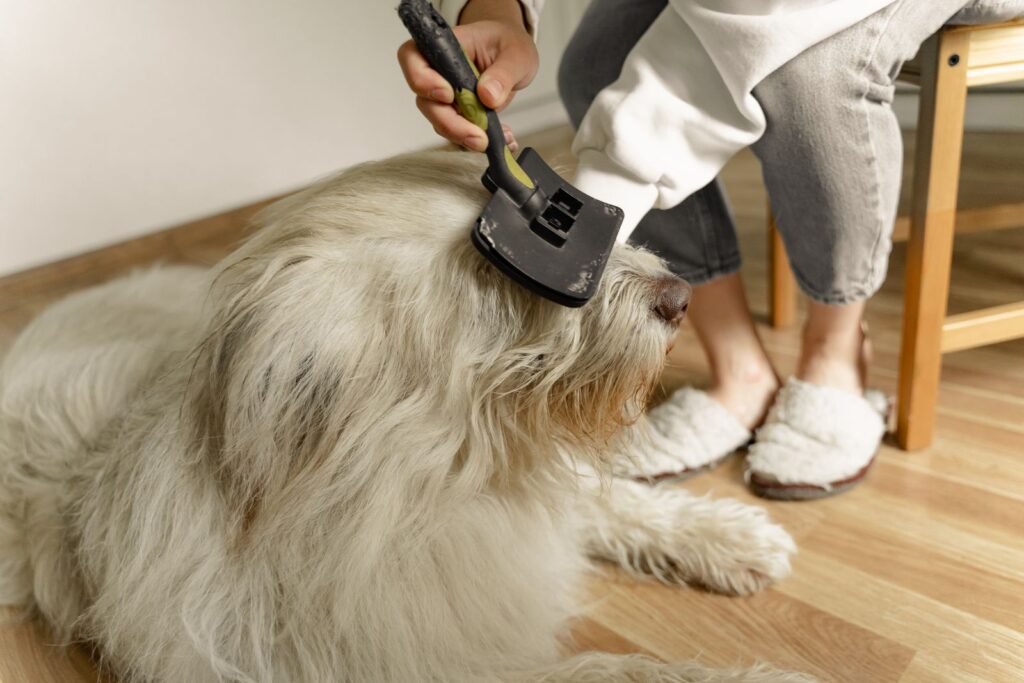
Technique prevents most problems. Always work on a dry, tangle-free coat — demat first. Use light pressure, stroke in the direction of hair growth, and keep sessions short; around 10–20 minutes once or twice a week is the common guidance from tool makers. Pressing harder doesn’t remove more hair; it can damage the topcoat and leave the coat looking dull and patchy.
Know when shedding isn’t a grooming issue. A brush manages normal shedding. It does not explain bald patches, red or flaky skin, hot spots, or a dog who’s suddenly shedding more and scratching constantly. Those are signs to see a veterinarian, not to buy a stronger brush — allergies, parasites, and thyroid problems all show up in the coat first.
Frequently Asked Questions
How often should I use a deshedding brush on my dog?
For blade deshedders and undercoat rakes, once a week during heavy shedding season and every week or two otherwise is plenty — overuse irritates skin and can thin the topcoat. Gentler tools like a slicker or rubber curry can be used a few times a week. Sessions of 10–20 minutes are the sweet spot.
Can I use a deshedding tool on a Poodle or other non-shedding breed?
No. Deshedding blades and undercoat rakes pull out loose undercoat from shedding, double-coated dogs. Breeds with continuously growing, single coats — Poodles, Bichons, Maltese — don’t have that undercoat, and these tools can damage their hair and irritate skin. A slicker brush and a steel comb are the right kit for those coats.
Why does my dog still shed everywhere after deshedding?
Deshedding removes the loose undercoat that’s ready to come out; it doesn’t stop the shedding cycle itself, and more hair loosens over the following days. Consistent weekly sessions during the seasonal coat blow make the biggest difference. If shedding suddenly increases outside the normal pattern, or comes with bald spots or itchy skin, check in with your veterinarian.
Should I brush my dog before or after a bath?
Before, for most tools. Blade deshedders and rakes work best on a dry, tangle-free coat, and water tightens mats, making them harder and more painful to remove. The exception is a rubber curry like the ZoomGroom, designed for in-bath use to work shampoo through and loosen dead hair.
Is it possible to brush my dog too much?
Yes. Too-frequent or too-hard deshedding can cause brush burn — red, irritated skin — and can thin or break the topcoat, the layer that protects your dog from sun and weather. If the skin looks pink, your dog flinches, or the coat looks dull and patchy, you’re overdoing it. Light pressure and shorter sessions fix nearly every case.
The Bottom Line
There is no single best deshedding brush for dogs — there’s a best one for your dog’s coat. For a large, short double coat, the FURminator Large Short Hair removes the most undercoat the fastest. Dense, tangle-prone coats belong with the Maxpower Planet rake, everyday maintenance is easiest with the Hertzko slicker, short smooth coats need nothing more than the KONG ZoomGroom, and multi-coat households get the most from the SleekEZ. Match the tool to the coat, use a light hand, and the fur tumbleweeds shrink to a size you can live with.