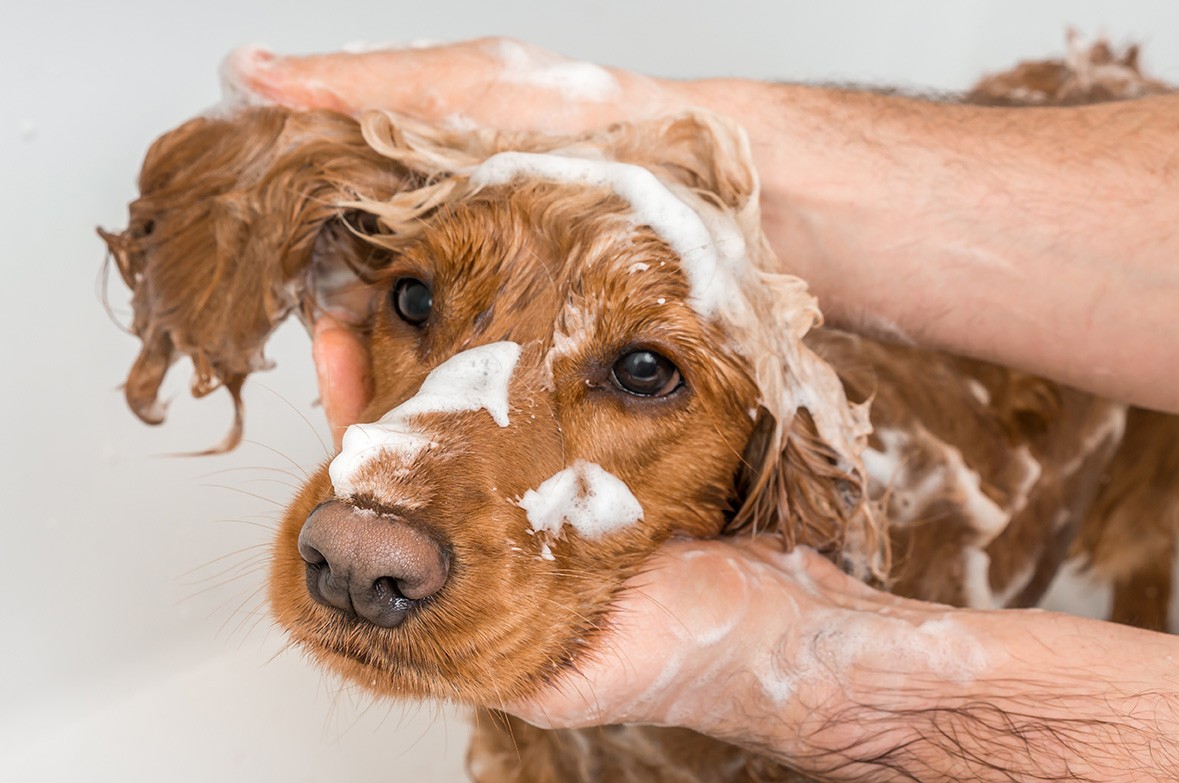
For most dogs, a bath every four to six weeks is plenty. Some dogs need one every couple of weeks because of an oily coat, allergies, or a serious love of mud. Others — think double-coated, mostly indoor dogs — can happily go two months or longer between full baths. And if you’re bathing every single week just because it feels cleaner? You might actually be drying out your dog’s skin and creating the itch and odor you were trying to fix in the first place.
Here’s the thing: there’s no calendar rule that fits a Poodle, a Labrador, and a Husky living under the same roof. It just doesn’t work that way. Use the five factors below to find a rhythm that fits your dog, then follow the bathing steps that protect their skin and coat instead of stripping them.
You’ll find more hands-on guides like this one in our dog grooming and health section, because bathing is really just one piece of a bigger, pretty simple routine.
Key Takeaways
- Most healthy adult dogs do well with a bath every 4 to 6 weeks — not weekly, and not only when they’re truly filthy.
- Coat type, skin health, lifestyle, age, and the shampoo you use matter more than any universal schedule.
- Over-bathing strips natural oils and can cause flakes, itching, and a coat that actually smells worse, faster.
- Brushing, paw rinses, and a damp-cloth wipe-down handle most everyday dirt between real baths.
The 5 Things That Decide Bath Frequency
1. Coat type and length
Coat is the biggest factor, hands down. Dogs with oily coats, like many retrievers and hounds, build up that classic doggy odor faster and often do well with a bath every two to four weeks. Basset Hounds are the textbook example — sweet, droopy, and somehow smelly about ten minutes after you last washed them.
Dogs with curly, continuously growing coats, like Poodles and a lot of doodle mixes, are usually bathed every three to six weeks as part of regular grooming, simply because a clean coat is way easier to brush and clip. Try combing a dirty, curly coat and you’ll understand why groomers insist on washing first.
Double-coated breeds like Huskies, German Shepherds, and Golden Retrievers are a different story. That dense undercoat protects their skin and helps them regulate temperature, so they usually need baths less often — often every six to eight weeks — plus regular brushing to pull out loose undercoat. Short, smooth coats fall somewhere in the middle and often do fine every four to six weeks.
Hairless and very short-coated dogs are the exception that surprises people. With no coat to soak things up, their exposed skin can get oily and grimy, and they may need more frequent gentle washing. If that’s your dog, ask your vet what “more frequent” should actually look like, because their skin is also easier to irritate.
The American Kennel Club’s guide to bathing your dog makes this same point by coat type: short-haired breeds need bathing less often, oily-coated breeds like Basset Hounds may need a bath as often as once a week, and water-repellent and thick double coats should be bathed less often but brushed a lot more.
2. Skin health and allergies
Healthy skin tolerates a normal schedule. Dry, flaky, or itchy skin doesn’t automatically mean “bathe more” or “bathe less.” It means figure out why.
Dogs with certain skin conditions or environmental allergies are sometimes prescribed medicated baths once or twice a week for a set period. If your vet gives you that plan, follow it exactly — the shampoo, the contact time, the frequency — rather than improvising because a blog (yes, even this one) said something different.
On the flip side, if your dog is scratching constantly, has redness, bumps, hot spots, ear trouble, or a strong yeasty smell that hits you from across the room, a new bath schedule isn’t the answer. Book a vet visit. Bathing can support treatment, but it doesn’t replace a diagnosis, and guessing wrong can waste weeks while your dog stays miserable.
3. Lifestyle and how dirty your dog actually gets
Let’s be real about your dog’s actual life. A dog who swims, hikes, hits the dog park, rolls in grass, or “works” outdoors patrolling the yard will need baths based on dirt, not dates. A mostly indoor dog who walks on sidewalks and naps on your couch? She might only need a bath when her coat feels gritty or starts to smell a little stale.
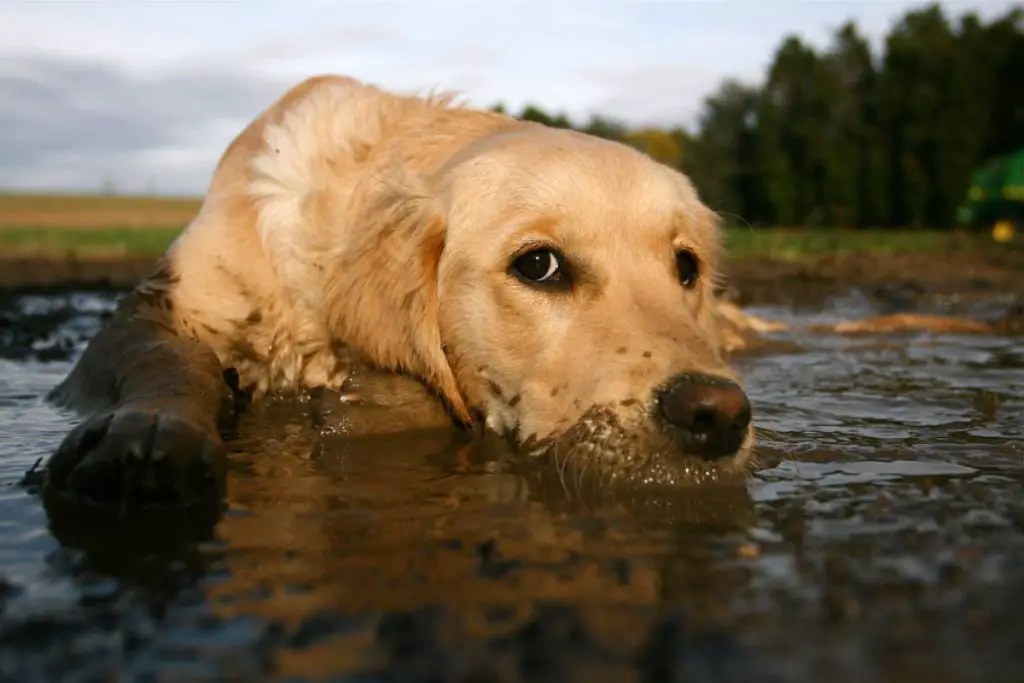
Picture this: it’s Saturday, your Lab finds the one mud puddle in an otherwise dry field, and she finds it with her whole body. That’s a bath day, no matter what the calendar says. But muddy paws on a rainy Tuesday? That’s not a bath. That’s a rinse in the tub, a wipe with a damp cloth, and you’re done in three minutes.
Between baths, rinse muddy paws and bellies with plain water, wipe coats down, and brush. That handles most everyday dirt without stripping the whole coat. After swimming in lakes or pools, a rinse with clean water is smart, too — it gets chlorine, salt, and algae residue off. A full shampoo after every swim is usually overkill unless your dog is truly dirty.
4. Age and health
Puppies get messy. It’s basically their job. They may need gentle baths more often, but their skin is sensitive, so use a puppy-appropriate shampoo, keep baths short, and keep them warm. A shivering, miserable puppy learns “bath equals bad” fast, and you’ll pay for that lesson for years.
Senior dogs and dogs with mobility problems are the opposite concern. The tub can be stressful, slippery, and honestly a little scary if their hips or joints hurt. For them, fewer, calmer baths with a non-slip mat — or a groomer who’s good with older dogs — can be much kinder than sticking to a strict schedule just because a chart said so.
5. The products you use
Frequent bathing with the wrong product causes problems that then get blamed on bathing itself. Always use a shampoo made for dogs. Human shampoo, dish soap, and heavily scented products can irritate canine skin, which has a different pH balance than ours.
The ASPCA’s at-home grooming tips put it plainly: a shampoo formulated for pets is best, because some human shampoos contain fragrances and other ingredients that can irritate your pet’s skin. A gentle, fragrance-light dog shampoo, fully rinsed out, matters more than a fancy brand name. And here’s a pro tip groomers repeat constantly: residue left in the coat is one of the most common causes of post-bath itching. If your dog itches more after a bath than before it, suspect your rinse before you suspect the shampoo.
A Simple Schedule to Start From
Use this table as a starting point, not a law. Then adjust based on what your dog’s skin and coat actually do over the next few weeks.
| Dog / coat type | Typical bath frequency | Between baths |
|---|---|---|
| Oily or odor-prone coat (e.g. Basset Hound) | Every 1 to 4 weeks | Damp-cloth wipe-downs, brushing |
| Curly / continuously growing coat (e.g. Poodle, doodle mixes) | Every 3 to 6 weeks | Frequent brushing, comb to the skin |
| Average adult dog, short to medium coat | Every 4 to 6 weeks | Weekly brushing, paw rinses as needed |
| Double-coated or mostly indoor dog | Every 6 to 8 weeks | Brushing several times a week, daily in shedding season |
| Hairless / very short-coated | Often more frequent, as your vet advises | Gentle skin checks, moisturizing only if your vet recommends it |
| Medicated bathing | Only as often and as long as your vet directs | Follow the prescribed shampoo and contact time exactly |
Adjust one step at a time. If the coat smells strong a week before the next planned bath, shorten the gap a little. If the skin looks dry after baths, lengthen it and take a hard look at your shampoo and rinsing. Don’t change three things at once — you’ll never know what actually helped.
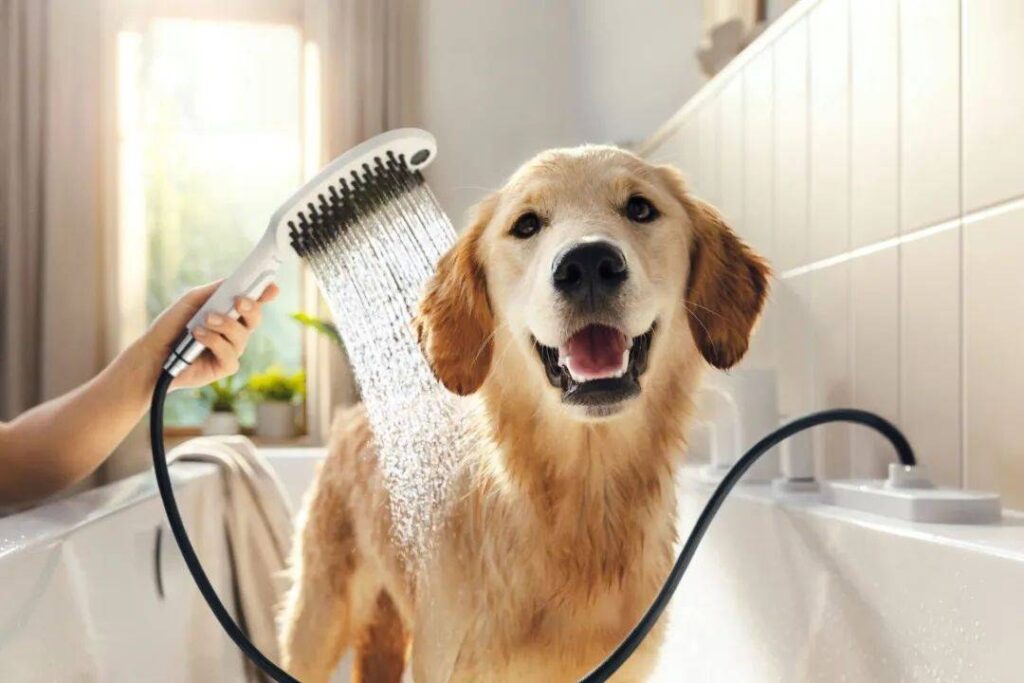
For a helpful walk-through of the basics, watch this demonstration of how to bathe a dog:
How to Bathe a Dog Without Drying Out the Skin
- Brush first. Remove loose hair and check for mats. Mats tighten when wet and get painful, especially behind the ears and under collars. Skipping this step is the mistake almost everyone makes once — and only once.
- Set up before you grab the dog. Shampoo, towels, treats, and a non-slip mat, all within reach. You don’t want a wet, soapy dog standing alone in the tub while you sprint to a closet.
- Use lukewarm water. Test it on your wrist. It should feel comfortably warm, not hot. Wet the coat thoroughly before adding shampoo, and keep water and soap out of eyes and the inside of ears.
- Dilute and distribute. A little shampoo goes a long way, especially diluted in water. Work it through the coat with your fingers, neck to tail, belly, legs, and paws — and wash the face last, gently, with a damp cloth.
- Rinse longer than you think. Rinse until the water runs clear and the coat no longer feels slippery. Then rinse once more. Seriously. This is the step that makes or breaks the whole bath.
- Dry properly. Towel dry, and for thick coats use a pet dryer on a cool or low setting if your dog tolerates it. Make sure undercoats dry all the way down to the skin, because trapped moisture leads to that musty smell and can irritate skin.
- Reward and stop if stressed. Keep sessions calm and reasonably short, and end with praise and a treat. A dog who panics in the tub may do better with a groomer, or with slow desensitization at home — short, treat-filled visits to the tub with no bath at all.
As VCA Hospitals explains in its guide to coat and skin appearance in the healthy dog, regular grooming removes loose hair and dead skin, distributes natural oils along the hair, and gives you a chance to actually look at the skin underneath — which is how you catch a lot of problems early.
Common Bathing Mistakes to Avoid
Bathing on a fixed weekly schedule “just because.” Clean isn’t a day of the week. Bathe for a reason — dirt, odor, coat condition, or a vet’s plan.
Using whatever shampoo is already in your shower. Your shampoo, your partner’s shampoo, the dish soap by the sink — none of those belong on your dog for routine baths, no matter how many people swear by them online.
Scrubbing a matted coat. Water makes mats tighter and more painful. Brush and comb first, work mats out dry, or let a groomer handle the bad ones.
Skipping the final rinse and the full dry. Leftover shampoo plus a damp undercoat is a reliable recipe for itching, flakes, and a dog who smells like a wet towel by tomorrow.
Forgetting the in-between care. Skin folds, ears, and paws need attention between baths. Dogs with facial or skin folds need those folds cleaned and dried regularly, because moisture trapped in there irritates skin fast.
Signs You Are Bathing Too Often — or Not Enough
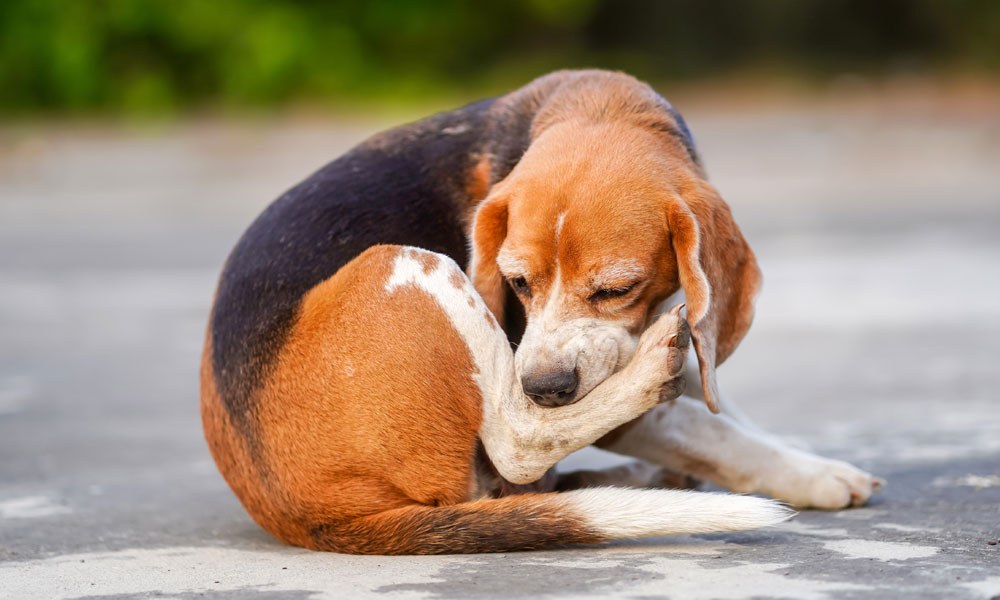
Too often looks like this: dry flakes, more scratching after baths, a dull or brittle coat, and odor that comes back faster — because irritated skin can produce more oil in response. It’s a frustrating little cycle, and the fix is usually fewer baths and a better rinse, not a stronger shampoo.
Not enough looks different: a gritty coat, a persistent stale smell, visible dirt, a matted undercoat, and grimy ears and skin folds. If you can’t remember the last bath and your hands feel dirty after petting your dog, well, there’s your answer.
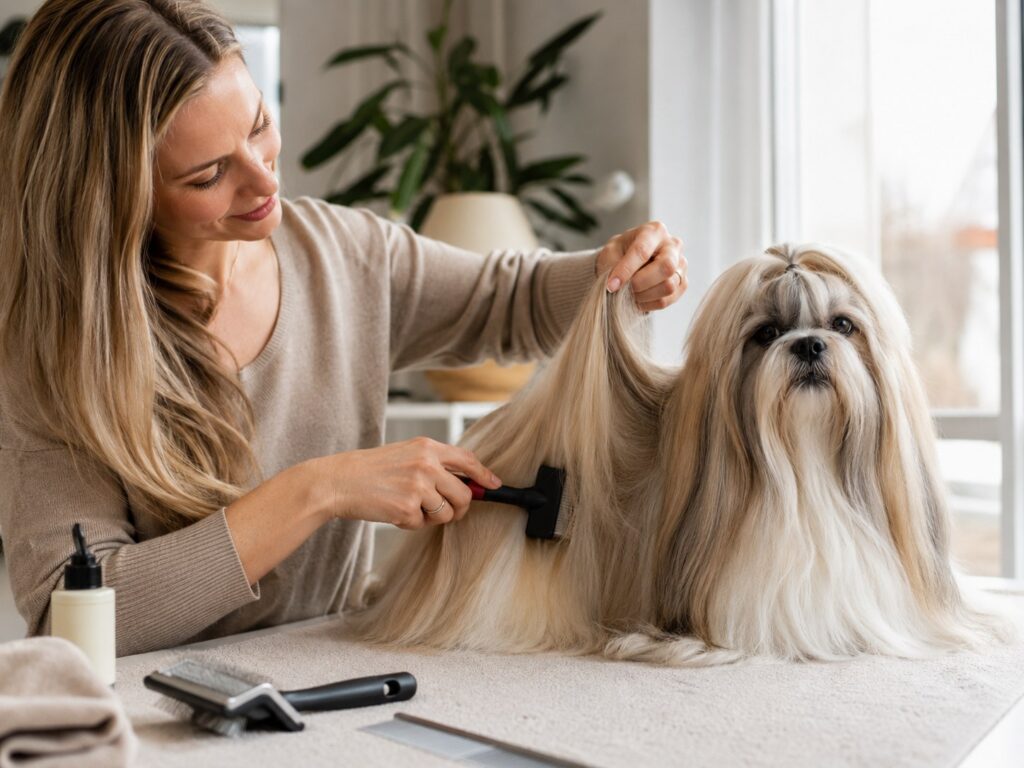
Brushing is the quiet partner to all of this. A few minutes several times a week spreads natural oils, removes dirt and loose hair, and lets you spot fleas, ticks, lumps, and sore spots early. For plenty of dogs, better brushing means fewer emergency baths. And on rainy, boring days when a bath isn’t needed but your dog is bouncing off the walls, mental work helps too — our guide to whether puzzle toys are good for dogs is a good place to start.
The Bottom Line
Start with every four to six weeks, then let coat type, skin, lifestyle, age, and products move you one step in either direction. Bathe for a reason, rinse like you mean it, and treat ongoing itch, redness, or strong odor as a health question, not a hygiene failure. A clean dog should smell mostly like… nothing. And they should feel comfortable in their own skin. That’s the goal.
FAQ
Can I bathe my dog once a week?
Some dogs tolerate weekly baths, especially when a vet has prescribed medicated bathing, but for most pet dogs weekly shampooing is more than they need and can dry out the skin. If you want a weekly freshen-up, try brushing and a water-only rinse for paws and belly instead. You’ll get most of the benefit without the downside.
What happens if you don’t bathe a dog at all?
Dirt, loose hair, and oils build up, mats form in longer coats, and skin problems can go unnoticed under all that grime. Dogs don’t need constant baths, but they do need regular grooming — brushing, nail care, ear checks, and an occasional bath when the coat is dirty or smelly.
Should I bathe my dog before or after a haircut?
Groomers usually bathe before clipping, because a clean, dry, brushed coat cuts more evenly and is easier on the blades. At home, if you trim your dog, bathe and fully dry first. And never run clippers through a matted coat without care — clippers can catch the skin hiding under mats.
Can I use human shampoo or dish soap on my dog?
Please don’t, at least not as a routine. Dog skin has a different pH than human skin, and human products and dish soap can strip oils and leave your dog itchy and flaky. In a genuine one-off emergency, a thorough rinse matters most, but for regular baths, buy a gentle shampoo made for dogs and keep it with your dog supplies.
How often should I bathe a puppy?
Only as needed for real messes, with a gentle puppy shampoo, lukewarm water, and a short, warm, positive session. Puppies chill quickly and their skin is more sensitive than an adult’s, so skip the long soak, dry them thoroughly, and make the whole thing end with praise and a treat so bath time stays a good memory.
Sources
- American Kennel Club — How to Bathe Your Dog: Tips for Safely Giving Your Pet a Bath
- ASPCA — At-Home Pet Grooming: Top Tips and Recommendations
- VCA Hospitals — Coat and Skin Appearance in the Healthy Dog
Disclaimer: This article is for general information only and is not veterinary advice. If your dog has persistent itching, redness, hair loss, sores, or a strong skin odor, see your veterinarian for diagnosis and a bathing plan suited to that condition.