If you feed raw and there’s a tube of Raaw Energy in your freezer, stop scrolling and go check it. A recall that began on October 27, 2026 has escalated: the FDA posted the recall on November 6, and on November 20 it was classified as Class I — the agency’s most serious category, reserved for products with a reasonable probability of causing serious illness or death. Five Raaw Energy raw dog food products are involved, covering possible Listeria and Salmonella contamination, and there’s a wrinkle that makes this one harder than most recalls: there are no lot codes to check. You have to match the product name and a production-date sticker instead.
This article lays out exactly which products and dates are covered, how to check your freezer properly, what to do if you find a match, and how to get your dog safely onto other food while you sort it out. Everything below comes from the FDA’s recall announcements — when in doubt, the FDA’s animal food recall listings are the source of record, and they override anything in a news summary, including this one.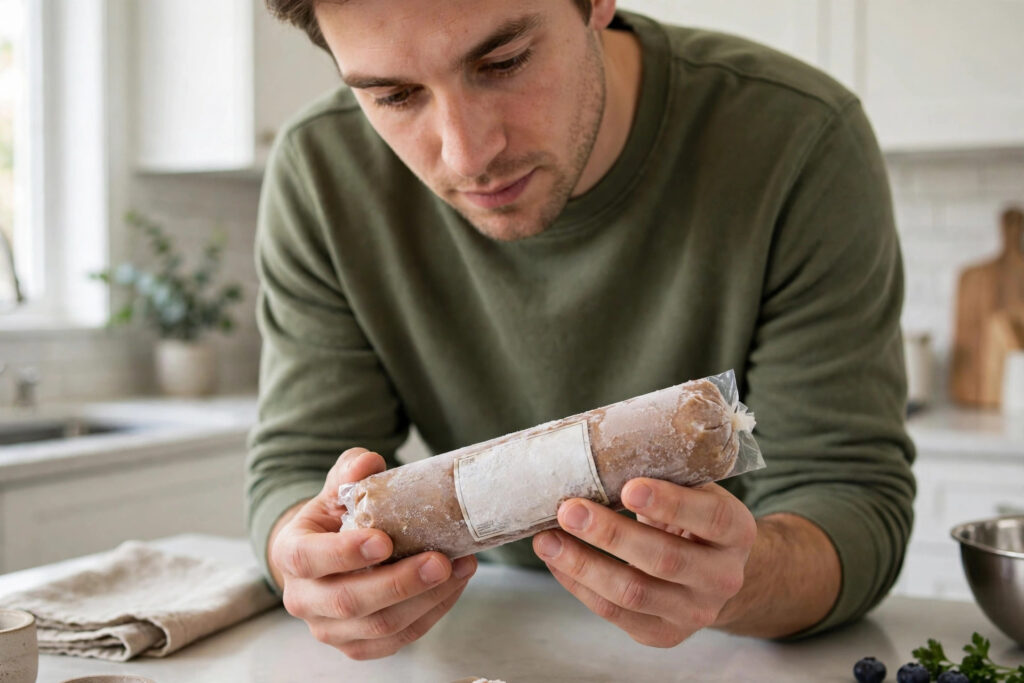
Key Takeaways
- Class I recall: the Raaw Energy recall, begun October 27, 2026, was classified Class I — the FDA’s highest-risk category — on November 20.
- Five products: Salmon, Chicken Medley, and Pork Only (possible Listeria, produced Aug 19–Sep 1, 2026), plus Turkey Chicken Lamb Medley and Beef Green Tripe (possible Salmonella).
- No lot codes exist: you must match the product name plus the production-date sticker on each 2-lb or 5-lb tube.
- Where sold: NY, NJ, PA, New England, VA, MD, and SC.
- If you find a match: stop feeding it, don’t open it, and disinfect the freezer, bowls, and surfaces it touched — both bacteria are a risk to people, too.
The Timeline: How a Recall Became Class I
The recall began on October 27, 2026, when Raaw Energy pulled raw dog food products from distribution. The FDA posted the recall publicly on November 6. Then, on November 20, the agency classified it as a Class I recall. That classification matters. Class I is the top of the FDA’s three-tier system: it means using or being exposed to the product carries a reasonable probability of serious adverse health consequences, including death. Class II and III recalls cover progressively lower risks. When a pet food recall gets the Class I label, it’s because the contamination — here, Listeria monocytogenes in three products and Salmonella in two — can make both animals and the people handling the food seriously ill.
If you saw the original October announcement and decided your tubes looked fine, it’s worth checking again with fresh eyes. Classification upgrades happen when the scope or severity becomes clearer, and the matching rules below are the ones that count now.
The Products: Names and Production Dates to Match
All affected products are frozen raw dog food sold in 2-lb and 5-lb tubes. The products fall into two groups:
Possible Listeria contamination — produced August 19 through September 1, 2026:
- Raaw Energy Salmon
- Raaw Energy Chicken Medley
- Raaw Energy Pork Only
Possible Salmonella contamination:
- Raaw Energy Turkey Chicken Lamb Medley
- Raaw Energy Beef Green Tripe
The products were sold in New York, New Jersey, Pennsylvania, the New England states, Virginia, Maryland, and South Carolina. Raw food travels, though — gifts, moves, and online resales happen — so if you have these products anywhere, check them rather than assuming your state clears you.
Why This Check Is Harder: There Are No Lot Codes
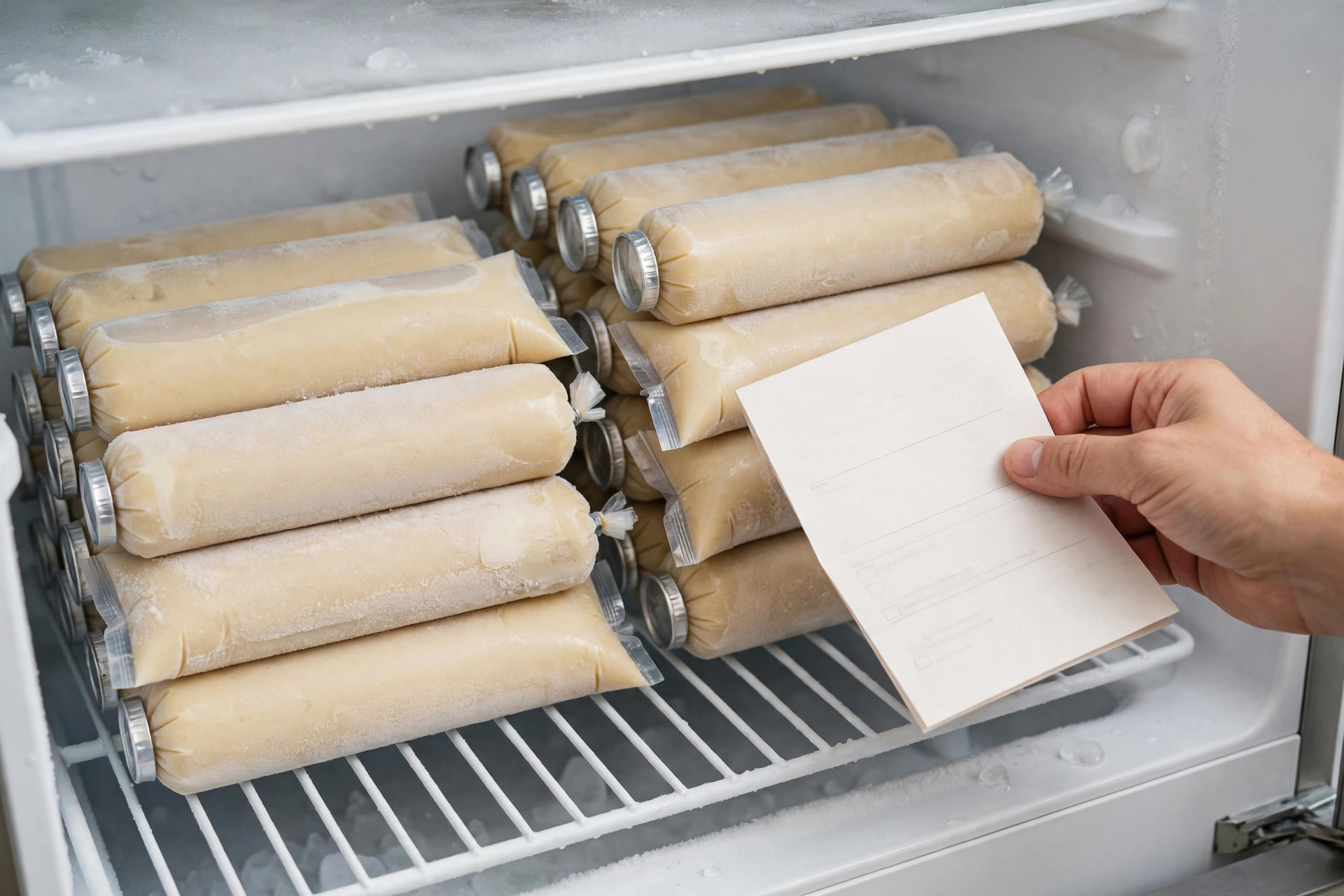
Most recalls are simple: find the lot number printed on the package, compare it to the list, done. This one has no lot codes. Instead, each tube carries a production-date sticker, and your match is the combination of product name and production date. For the three Listeria-group products, the dates to match are August 19 through September 1, 2026.
Work through your freezer methodically. Pull every Raaw Energy tube out, read the name and the sticker under good light, and sort them into “matches,” “doesn’t match,” and “can’t tell.” That third pile is the important judgment call: if a sticker is missing, smeared, or unreadable on one of the named products, treat it as a match. The cost of discarding a good tube is a few dollars; the cost of feeding a contaminated one is not. Don’t thaw a tube to “check it by smell,” either — neither Listeria nor Salmonella reliably changes how food smells, and handling a thawed contaminated product spreads bacteria around your kitchen.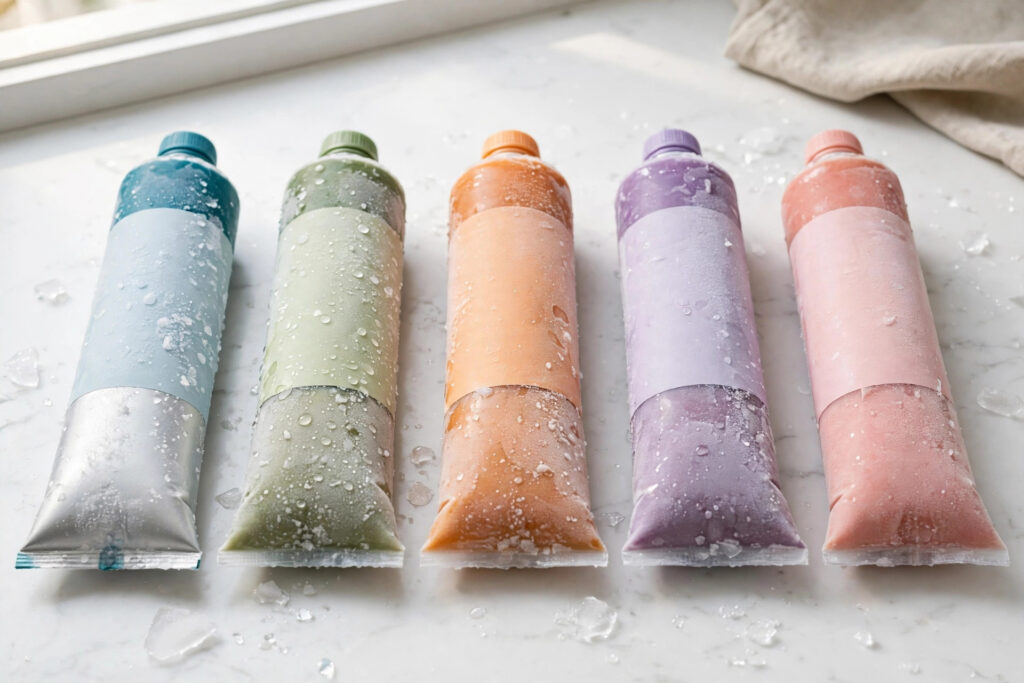
If You Find a Match: Stop, Seal, Disinfect
Stop feeding immediately. If your dog has been eating a recalled product and seems fine, that doesn’t clear the tube in the freezer — contamination isn’t evenly distributed, and one portion testing your luck is no guarantee about the next.
Don’t open the tube. Keep it sealed, bag it, and follow the FDA and retailer guidance for return or disposal. If you throw it out, seal it in a bag and use an outdoor bin where no animal — yours, a neighbor’s, or a wild one — can get at it.
Disinfect everything it touched. Wash bowls, scoops, cutting boards, and prep surfaces with hot soapy water, then disinfect. Clean the freezer shelf or bin where the tubes sat, and any counter where thawed food rested. Wash your hands thoroughly after handling. This step is not overkill: Salmonella and Listeria both transfer from raw pet food to kitchen surfaces to human food, and people — especially kids, older adults, pregnant women, and anyone immunocompromised — can get seriously sick from that cross-contamination. Refrigerators and freezers don’t save you here; Listeria is known for tolerating cold, and freezing doesn’t kill Salmonella.
Signs to Watch For — in Dogs and in People
Dogs with Salmonella may show diarrhea (sometimes bloody), vomiting, fever, lethargy, and loss of appetite — though some dogs carry and shed it without looking sick at all, which is another reason hygiene matters. Listeria in dogs is less common but can cause diarrhea, vomiting, fever, and in serious cases neurologic signs. Any dog that ate a recalled product and develops these signs needs a vet, and you should tell the clinic exactly what the dog ate and when — it changes what they test for.
People typically get Salmonella from cross-contamination rather than from the dog: diarrhea, fever, and stomach cramps are the usual picture. Listeria is the more dangerous human infection, particularly for pregnant women, newborns, older adults, and immunocompromised people, and it can start with fever and flu-like symptoms. If anyone in the household develops symptoms after handling recalled food, contact your doctor and mention the exposure. If your dog is sick and you suspect the food, your vet can also advise on reporting; contaminated pet food can be reported through the FDA Safety Reporting Portal.
Before You Throw Anything Out: Document It
Take two minutes with your phone before disposal. Photograph each recalled tube with its product name and production-date sticker visible, and keep your purchase receipts or delivery records if you have them. Recall refunds and retailer credits are much easier with that documentation in hand, and if your dog does get sick, the photos give your vet — and any report you file — exact product and date information instead of a guess.
Then check where you bought it. Retailers in the affected states should have the recall posted and can tell you their return or refund process; the FDA’s announcement is the reference for what’s covered. If a store tells you a named product with a matching date is fine to feed, trust the FDA listing over the shelf conversation. And if you bought tubes for someone else — raw feeders trade and gift food more than most pet owners realize — forward them the product names and dates today, not at Thanksgiving.
Switching Your Dog Off the Recalled Food
If Raaw Energy was your dog’s daily diet, you need a new food today, not after a leisurely research weekend. A sudden switch can upset a dog’s stomach, but that risk is smaller than continuing a recalled food. Pick a replacement — another raw brand not under recall, or a cooked fresh, freeze-dried, or conventional food — and transition over several days if your supply of safe food allows: mostly old-style meals replaced progressively by the new food, watching stool quality as you go. If your dog came off the recalled food abruptly because you discarded everything, a few days of a bland, easily digested diet (your vet can advise by phone) helps the handoff.
Raw feeders should also know: this recall is about specific contaminated products, not a verdict on every raw food. But it’s a fair prompt to audit your own handling routine — dedicated prep tools, thawing in a sealed container in the fridge rather than on the counter, and disinfecting after every prep session are the habits that limit the damage when a recall lands on any brand.
Frequently Asked Questions
How do I check my tubes if there are no lot codes?
Match two things: the product name and the production-date sticker on the tube. The Listeria-group products (Salmon, Chicken Medley, Pork Only) are recalled if produced August 19–September 1, 2026. If a sticker is missing or unreadable on any of the five named products, treat the tube as recalled and don’t feed it.
My dog ate some of the recalled food and seems fine. Should I worry?
Don’t panic, but do act: stop feeding the product, disinfect what it touched, and monitor your dog for diarrhea, vomiting, fever, lethargy, or appetite loss over the coming days. If signs appear, see your vet and tell them about the recall exposure. Also watch your own household — cross-contamination is the main human risk.
Can I get sick from my dog’s recalled food?
Yes. Salmonella and Listeria transfer from raw pet food to hands, bowls, and kitchen surfaces, and from there to people. Wash hands after every handling, disinfect prep areas and bowls, and keep recalled food sealed and away from human food. Higher-risk people — pregnant, elderly, immunocompromised — should not handle the recalled product at all.
Should I throw the food away or return it?
Follow the FDA’s and the retailer’s instructions for the recall, which typically offer return or refund routes. If you dispose of it yourself, seal it in a bag and place it in a secure outdoor bin where no animal can reach it. Never donate recalled food or feed it to other animals.
What does Class I actually mean?
Class I is the FDA’s most serious recall classification: there is a reasonable probability that using the product will cause serious health problems or death. It doesn’t mean every tube is contaminated — it means the risk, if a tube is contaminated, is severe enough to warrant the highest level of urgency.
The Bottom Line
Go to the freezer now, while the product names are in front of you: Salmon, Chicken Medley, and Pork Only produced between August 19 and September 1, 2026, plus Turkey Chicken Lamb Medley and Beef Green Tripe, in 2-lb and 5-lb tubes. Match by name and date sticker, treat unreadable stickers as matches, and if anything checks out as recalled, stop feeding it and disinfect like you mean it. Then get your dog settled on a safe replacement food. Recalls like this are exactly what the freezer-check habit is for.