

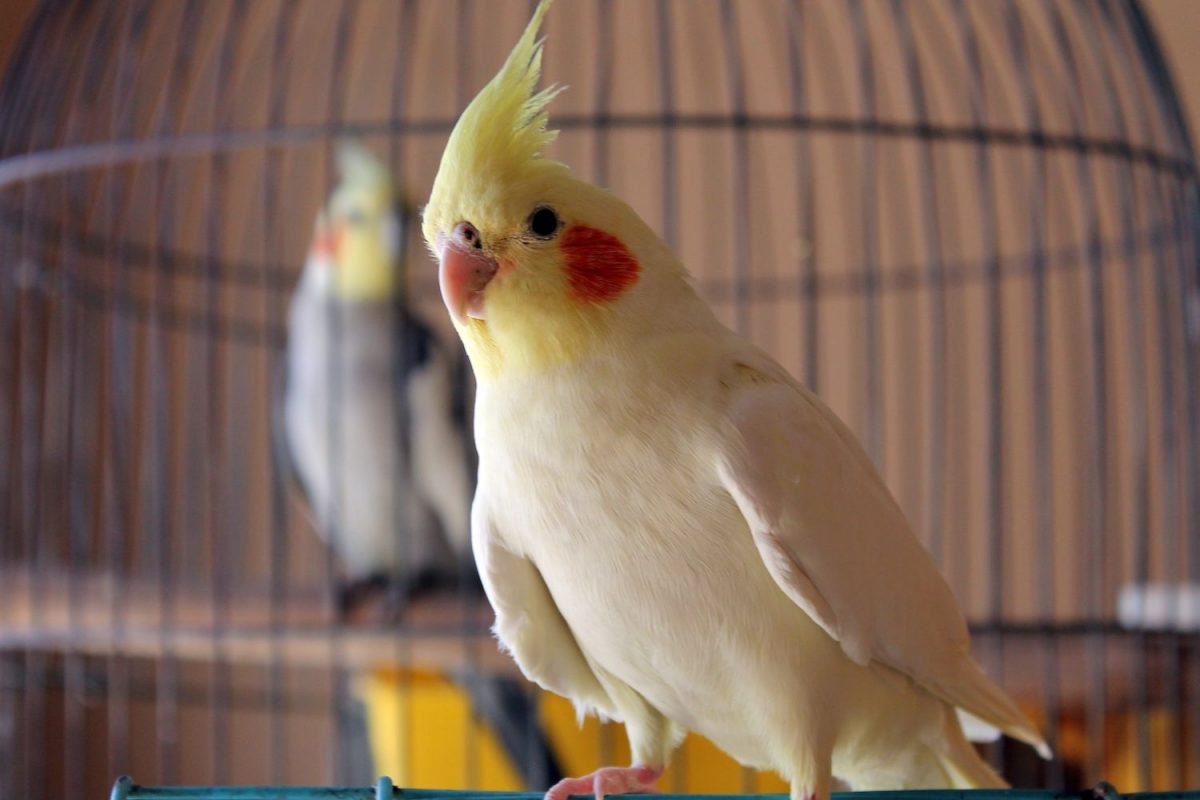
Here’s a scene a lot of new cockatiel owners know too well. You bring home a cage that looked huge in the store — tall, shiny, cute little play top — and within a week your bird is pacing the same six inches of perch, tail brushing the bars every time he turns around. The cage wasn’t cheap. It just wasn’t the right shape.
So, what size cage does a cockatiel need? For one bird, plan on about 20 inches long by 20 inches deep by 24 inches tall as an absolute minimum, and treat that as a floor, not a goal. A wider cage — 24 to 32 inches across — is a much better everyday home. Bar spacing should be 1/2 inch to 5/8 inch, and no wider, so your bird can’t push his head between the bars. And here’s the part that surprises people: width matters more than height, because cockatiels move side to side. They don’t live like elevators.
Below, I’ll walk you through the minimum versus what I’d recommend, the bar spacing rule that keeps your bird safe, why a flight cage usually beats a tall cage, how to size up for two birds, and the setup mistakes that can make even a good-sized cage feel cramped.
Key Takeaways
- Minimum for one cockatiel: about 20 x 20 x 24 inches of inside living space — wider, around 24 to 32 inches, is better.
- Bar spacing should be 1/2 to 5/8 inch. If your bird’s head can fit through, the spacing is too wide.
- Choose width over height. A wide flight cage gives your cockatiel a real flight path; a tall, narrow cage mostly goes unused at the bottom.
- For two cockatiels, go flight-cage size or larger, with duplicate food stations and room for each bird to get away from the other.
- Measure the inside of the cage, not the stand, seed skirt, or decorative roof in the product listing.
- Don’t undo a good cage with a bad setup: keep dishes out from under perches, vary perch sizes, and leave a clear path for movement.
Minimum Size vs. Recommended Size: What’s the Difference?
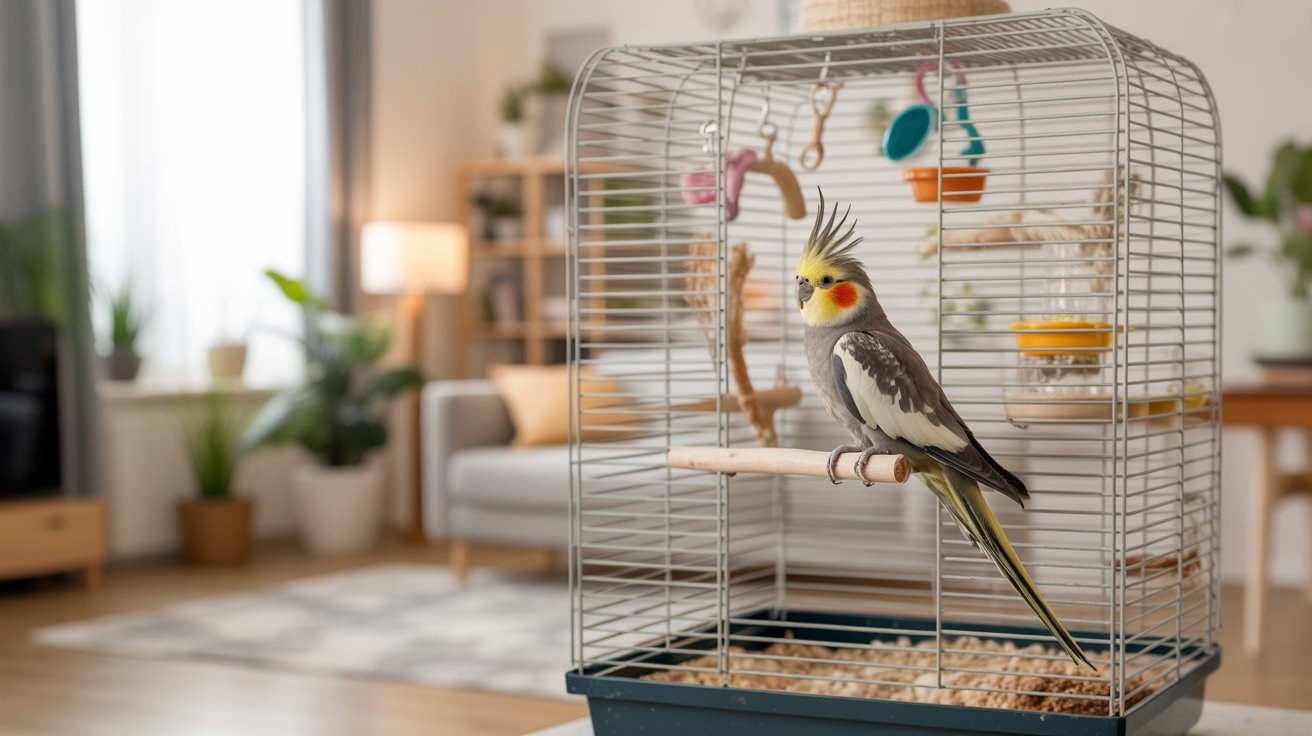
Let’s be honest about what “minimum” means. It’s the smallest space where a cockatiel can spread his wings, turn around without bending that long tail, hop or flutter between perches, and have separate spots to eat, drink, rest, and play. It is not the size where he thrives. It’s the size where he copes.
That distinction matters because a cockatiel isn’t tiny once you look at the whole bird. He’s roughly 12 to 13 inches from beak to tail tip, and a good chunk of that is tail. His wingspan is wider than his body, too. A cage that looks generous for a finch can feel tight fast once you add perches, dishes, and toys.
Veterinary guidance lines up with that cautious approach. VCA Animal Hospitals’ guide to housing small birds puts it simply — bigger is better, and a cage has to be large enough for the bird to move around comfortably. PetMD’s cockatiel care sheet goes further and advises providing the largest habitat you reasonably can, one where your bird can stretch and flap without hitting the sides.
Here’s how I’d translate that into shopping numbers:
- Absolute minimum, one cockatiel: about 20 x 20 x 24 inches of usable inside space.
- Better everyday choice, one cockatiel: about 24 to 32 inches wide, with enough depth for perches set a comfortable distance apart.
- Best option if you have the floor space: a flight cage, which gives your bird an actual short flight path instead of just hop room.
One more thing: measure the inside living space, not the outside frame. Some cages are advertised by total height including the stand, a pointed roof, or a play top, which makes them sound bigger than the space your bird actually gets. Compare length and depth first, height second. If you’re browsing more options, our Cages & Aviaries guides are a good place to compare styles before you buy.
Bar Spacing: The Safety Number You Can’t Fudge
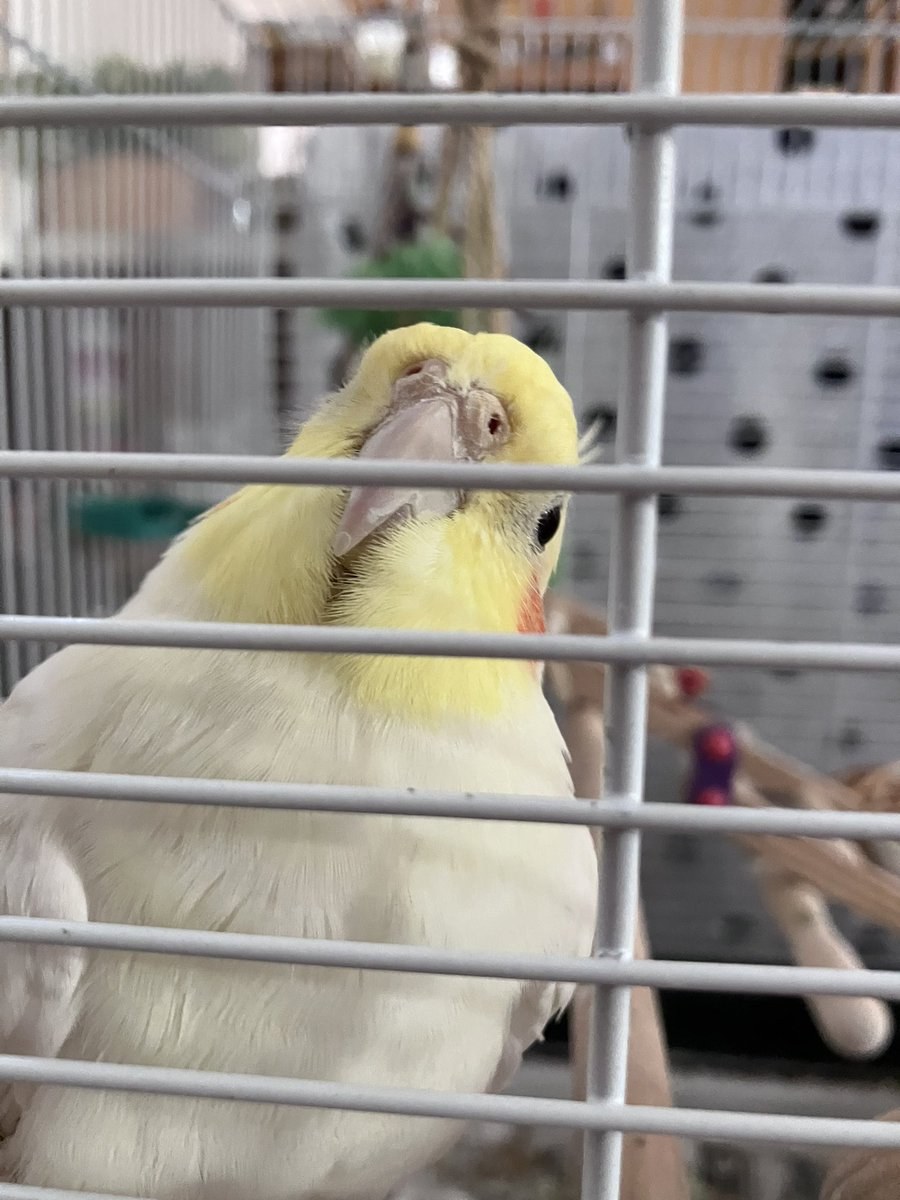
If you remember one spec from this whole article, make it this one. Bar spacing isn’t a style detail — it’s a safety issue.
For a cockatiel, spacing of about 1/2 inch to 5/8 inch is the range to look for. LafeberVet’s basic information sheet for the cockatiel lists cage bar spacing in that neighborhood and notes that cages should be at least 20 to 24 inches long and wide. Lafeber’s pet bird guidance makes the risk plain: if the spacing is too wide, a cockatiel can get his head stuck. A smaller bird is at even more risk, so if you’re between sizes, lean toward 1/2 inch.
Picture what happens when it goes wrong. Your bird pokes his head through out of curiosity — cockatiels are curious about everything — and then can’t back out. He panics, thrashes, and can seriously injure himself in seconds. That’s why the head test exists: if the head can fit through, the spacing is wrong for that bird.
Bar direction and cage shape matter, too
Look for at least some horizontal bars. Cockatiels climb constantly, and horizontal bars work like a ladder. Plenty of rectangular cages have horizontal bars on two sides and vertical bars on the others, and that setup works just fine.
Skip round cages, even the pretty vintage-looking ones. They usually lack good climbing surfaces, they have no corner where a nervous bird can tuck himself away and feel secure, and they’re awkward to furnish — perches and dishes never quite sit right. A rectangular cage is easier on your bird and, frankly, easier on you at cleaning time.
While you’re inspecting, check the finish. Choose a reputable cage with a bird-safe, intact coating, and pass on rust, chipped paint, or mystery metal. If you’re considering a used cage — plenty of good flight cages turn up secondhand — clean and disinfect it thoroughly, and walk away if the coating is peeling.
Flight Cage vs. Tall Cage: Why Width Wins
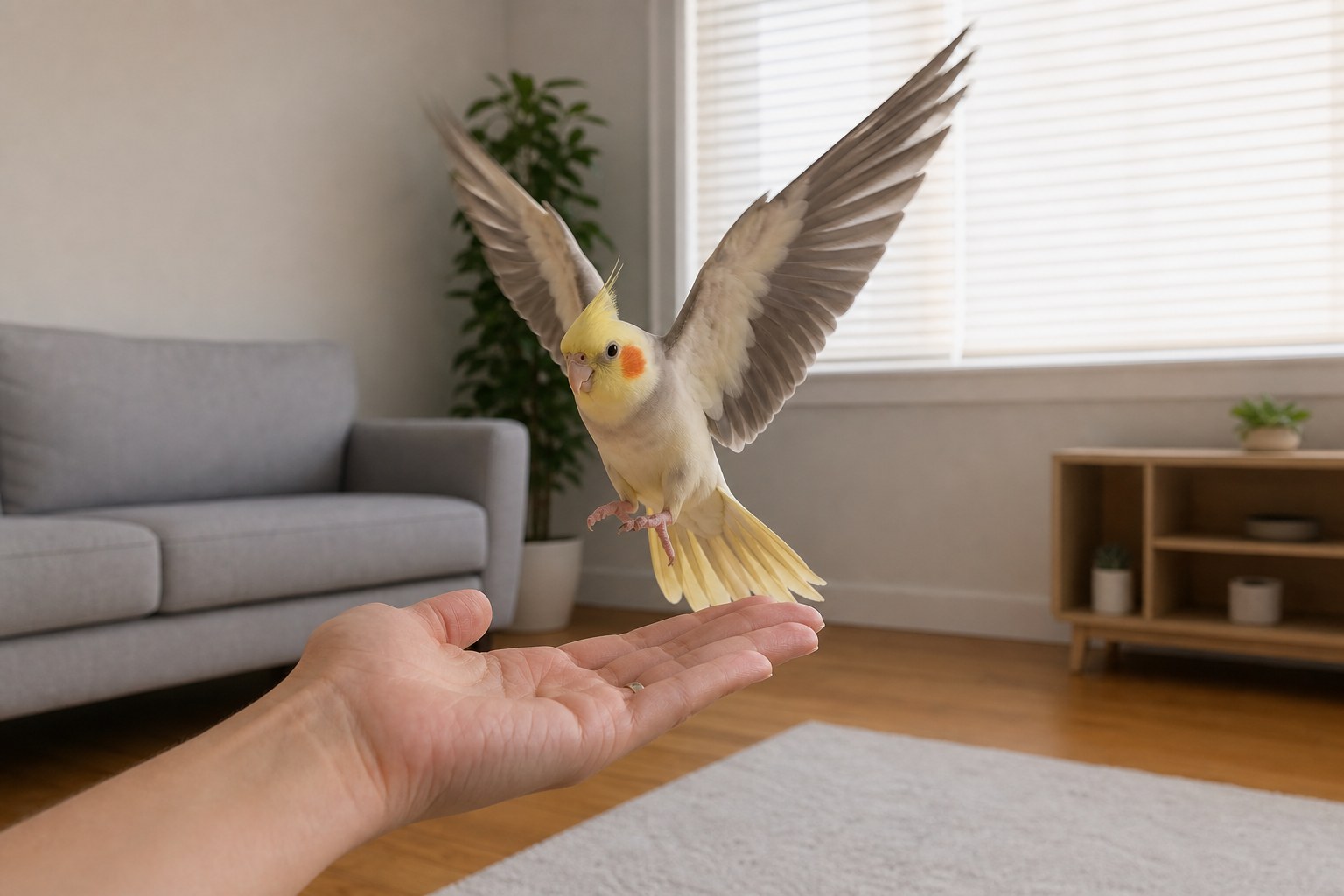
Pet stores love tall cages. They look impressive, they take up less floor space on the shelf, and that little rooftop play area photographs beautifully. Your cockatiel, unfortunately, doesn’t care about any of that.
Here’s what actually happens in a tall, narrow cage: your bird lives in the top third. Cockatiels feel safest up high, so they camp near the top perch and mostly ignore the lower section. All that height you paid for? Storage space for falling seed hulls. Meanwhile, the narrow footprint means he can’t really move the way he wants to — sideways.
A flight cage flips that around. It’s wider than it is tall, so your bird gets a short but real flight path from one end to the other. You can set two main perches a sensible distance apart, put food at one end and water at the other, and still leave open air in the middle. He’ll use nearly every inch of it, every day.
So if you’re choosing between two cages at a similar price, one tall and narrow and one shorter and wide, pick the wide one. It’s not even close. I’d rearrange furniture before I’d shrink the cage. You’re buying this once. He’s living in it every day.
Sizing for Two Cockatiels
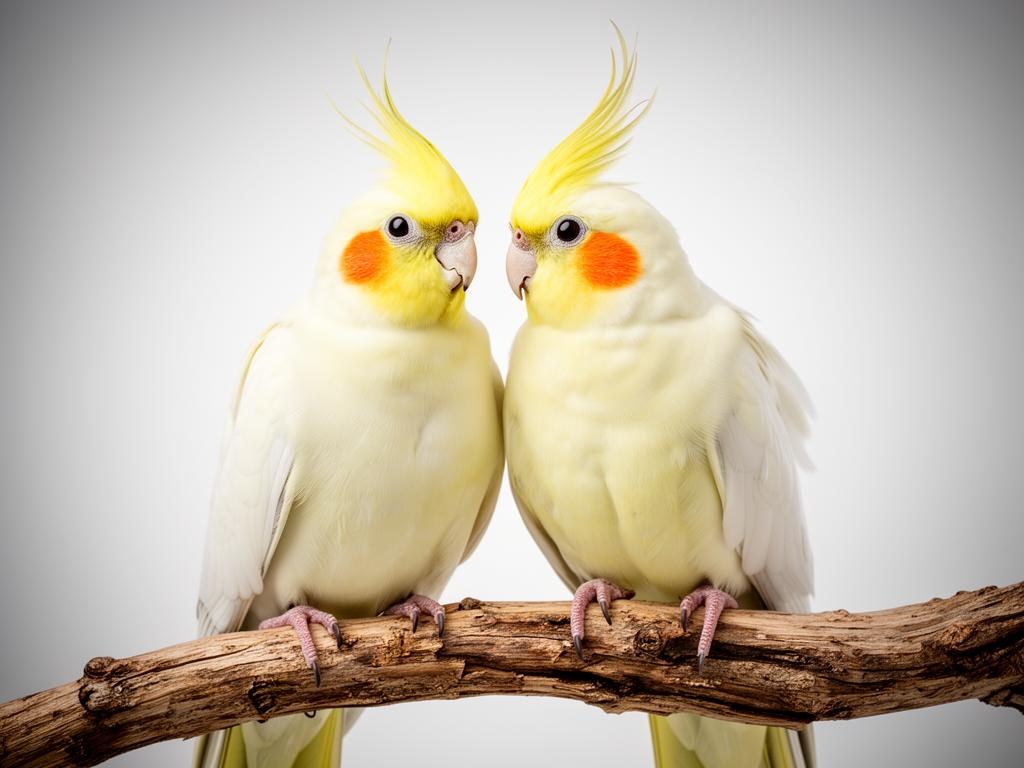
Thinking about a pair? Double the bird does not mean “same cage, extra perch.” Two cockatiels need substantially more width — think flight cage size as your starting point, not your upgrade.
The reason is social as much as physical. Even bonded birds have off days. Each bird needs room to move away from the other, eat without being shouldered off the dish, and claim an uncontested sleeping spot. In a too-small cage, you’ll see squabbling over the highest perch, one bird guarding the food, or a henpecked bird squeezed into a corner. That’s not a personality problem. That’s a floor plan problem.
Practically, that means:
- Go wide: a flight cage, ideally 32 inches across or more, so both birds can pass each other without a confrontation.
- Duplicate the essentials: two food stations and easy access to water, placed apart, so nobody can monopolize breakfast.
- Offer more than one “best” perch: two high perches at a similar height prevents the daily battle for the top spot.
- Watch the first weeks: if one bird is constantly displaced or chased, the cage — or the pairing — needs a rethink.
And a reality check: a bigger cage doesn’t guarantee two birds will get along. Introduce a new cockatiel gradually, quarantine first, and have a backup plan if it doesn’t work out.
The Setup Checklist: Making the Space Actually Work
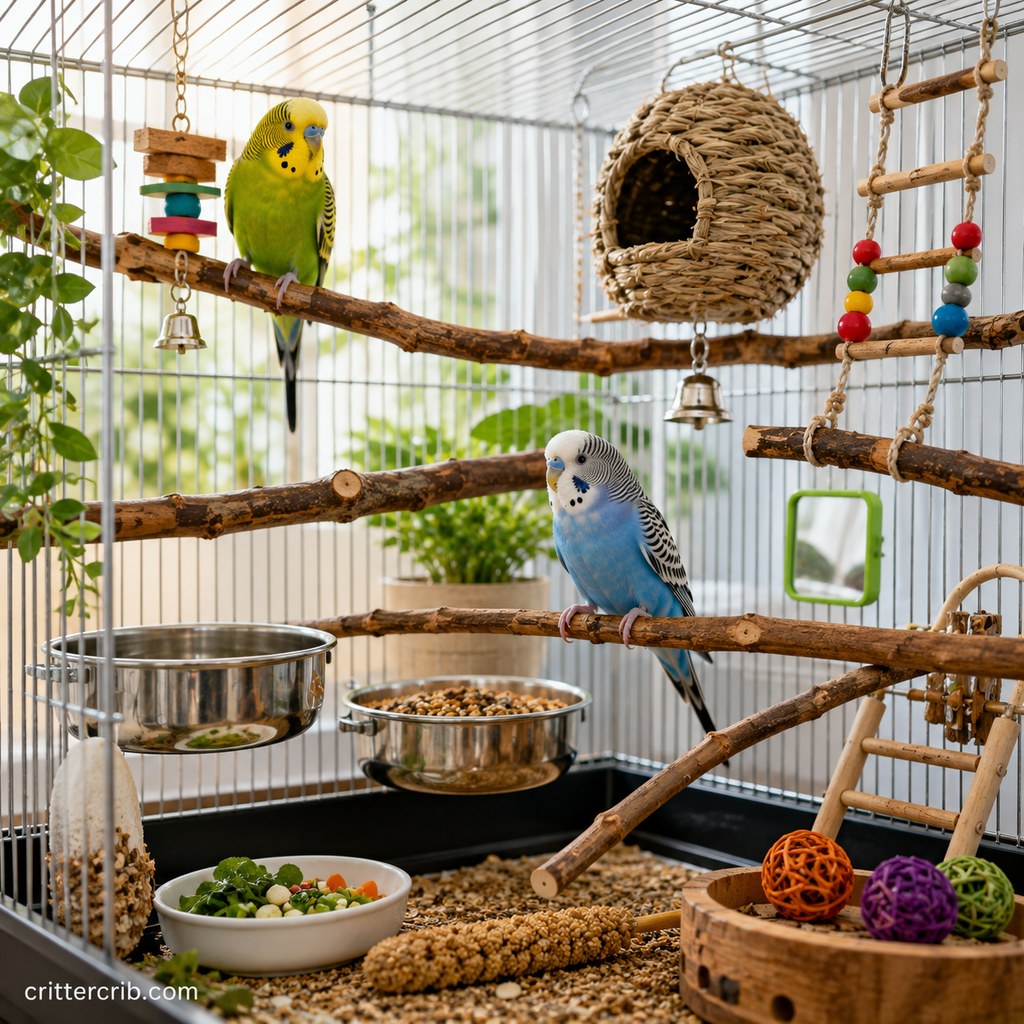
A correctly sized cage can still fail your bird if it’s set up badly. I’ve seen roomy flight cages so stuffed with toys that the bird couldn’t stretch, and modest cages that worked beautifully because everything was placed with intention. Here’s the checklist I wish came in the box:
Placement in your home
- Put the cage where life happens. Cockatiels are flock birds. A cage in the living room, where your bird can watch the household and whistle at the TV, beats a lonely spare bedroom every time.
- Back it against a wall, roughly at eye level, so your bird has a protected side to retreat to and doesn’t feel surrounded.
- Keep it out of the kitchen. Fumes from overheated nonstick cookware, plus aerosols and scented sprays, are genuinely dangerous for birds. VCA’s housing guidance also stresses keeping dishes and surroundings clean and safe — placement is part of that picture.
- Avoid drafts and all-day direct sun. A little morning light is lovely; a cage baking by a south-facing window or shivering under an AC vent is not.
- Plan for sleep. Cockatiels need a quiet, dark stretch at night. If your living room runs loud and bright until midnight, a cage cover routine or a small sleep cage in a quieter room can help.
Perches: variety is the whole point
Ditch the idea that the two smooth dowels in the box are enough. Offer perches of different diameters and materials — a natural wood perch, a rope perch in good condition, maybe a textured perch — so your bird’s feet grip in different positions through the day. One diameter, all day, every day, is hard on feet.
Place the main perches across the width of the cage, spaced so your bird can hop or make a short flutter between them. Keep perches away from food and water dishes, because whatever is under a favorite perch gets decorated. If you want to get the numbers and placement right, our guide to how many perches a bird cage needs walks through it in detail.
Food, water, and toys — without the clutter
Set food and water where your bird can reach them easily, but never directly under a perch. Stainless steel or ceramic dishes are sturdy and easy to scrub, which means you’ll actually scrub them daily.
For toys, think rotation, not accumulation. A few at a time is plenty: something to shred, something to chew, something to tinker with. Swap them every week or so to keep them interesting. And leave a clear path between the main perches. A cage jam-packed with toys isn’t enrichment — it’s an obstacle course your bird has to live inside.
Want to see a real setup come together? This walkthrough shows how one owner arranged perches, dishes, and toys in a cockatiel cage:
Setup Mistakes to Avoid
Most cage problems I hear about aren’t exotic. They’re these same handful of mistakes, repeated by people who meant well — myself included, once upon a time.
- Buying by total height. A stand, a seed skirt, and a decorative roof are not living space. Read the inside dimensions.
- Trusting a “suitable for cockatiels” label. Measure the bar spacing yourself with a ruler before the bird goes in. Labels are marketing; rulers aren’t.
- Choosing a round or very narrow cage. Hard to furnish, hard to clean, and stressful for a bird who wants a corner to retreat to.
- Overfilling the cage. Every extra toy and perch you cram in removes the room you bought the cage to provide.
- Putting dishes under perches. The fastest route to contaminated food and water there is.
- Using only smooth dowel perches. Same grip, same pressure points, all day long. Mix diameters and textures.
- Placing the cage in the kitchen. Cooking fumes — especially from overheated nonstick pans — can be fatal to birds. It’s the one mistake you may not get to learn from.
- Ignoring the doors. Guillotine-style doors that a bird can lift and drop, flimsy latches a clever cockatiel can learn, and sharp edges on joins are all worth checking before move-in day. Run your hand over the edges. If it snags you, it can hurt him.
When It’s Time to Upgrade
Maybe you inherited a cage, or your “temporary” starter cage is somehow two years old. Upgrade if your cockatiel can’t fully spread his wings without touching the bars, if his tail is constantly bent, frayed, or dragging, if two birds are bickering over space, or if you can’t fit varied perches and a few toys without blocking his movement.
Also upgrade if cleaning is such a wrestling match that it keeps getting postponed. Look for a slide-out tray and grate, a big main door, and feeder doors that let you swap food and water without a full escape negotiation. The right cage makes good care easy, and that consistency is a real part of your bird’s welfare, not just housekeeping.
Frequently Asked Questions
Can a cockatiel live in a budgie cage?
Usually not comfortably, and often not safely. Most budgie cages are simply too small for a cockatiel’s body, wingspan, and long tail, even when the bar spacing looks similar. Your bird might physically fit through the door, but that’s not the test. Use a cage sized for a cockatiel, and measure the inside before you buy.
Is a flight cage worth it for just one cockatiel?
For most homes, yes — it’s the upgrade owners rave about most. The extra width gives real movement, lets you space perches properly, and leaves room for toys without clutter. A flight cage turns the cage from a holding pen into a place your bird actually enjoys being.
What bar spacing is too wide for a cockatiel?
Anything wider than 5/8 inch should make you pause, and 3/4 inch is too wide for many cockatiels — a smaller bird can get his head through and stuck. Stick with 1/2 to 5/8 inch, and when in doubt, choose 1/2 inch. When in real doubt, skip the cage.
How much out-of-cage time does a cockatiel need?
Plan on several hours of supervised out-of-cage time on most days, in a bird-proofed room — ceiling fan off, windows and doors closed, other pets out. It matters for exercise and mental health, but it doesn’t shrink the cage requirement. Your bird still sleeps, eats, and spends plenty of hours inside.
Can two cockatiels share the minimum-size cage?
No — the minimum discussed here is for one bird. Two cockatiels need flight-cage width, duplicate food stations, and enough room for each bird to get away from the other. Crowding a pair into a single-bird minimum is how you get feather damage, food guarding, and two stressed birds instead of two happy ones.
Sources
- VCA Animal Hospitals — Housing Small Birds: https://vcahospitals.com/know-your-pet/housing-small-birds
- LafeberVet — Basic Information Sheet: Cockatiel: https://lafeber.com/vet/basic-information-sheet-for-the-cockatiel/
- PetMD — Cockatiel Care Sheet: https://www.petmd.com/bird/cockatiel-care-sheet



Pingback: Budgie vs. Cockatiel: Which Pet Bird Is Right for a Beginner? - Paw Chirp
Pingback: Bird Cage Perches: How Many Does Your Bird Need?